

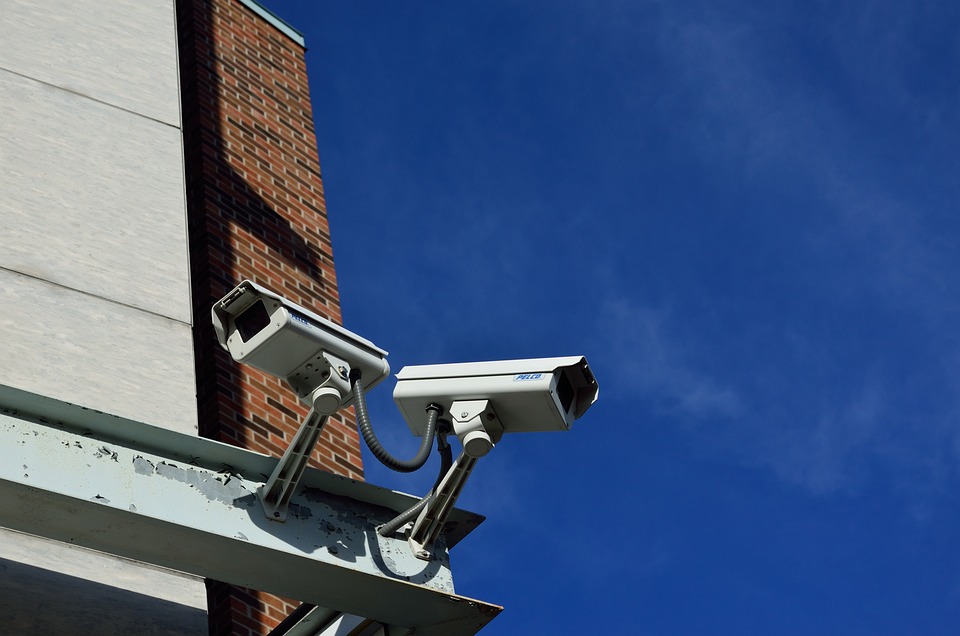
The use of surveillance cameras in crime prevention has become an increasingly important tool for law enforcement agencies and private businesses alike. With the advancement of technology, surveillance cameras have become more affordable, efficient, and effective in deterring and investigating crimes. In this article, we will explore the growing role of surveillance in crime prevention and the impact it has on communities.
The Benefits of Surveillance Cameras
Surveillance cameras have several benefits when it comes to crime prevention. Firstly, they can deter criminals from committing crimes in areas where cameras are present. The presence of cameras can make potential offenders think twice before committing a crime, as they know that their actions will be recorded and can be used as evidence against them. Secondly, surveillance cameras can aid in investigations by providing valuable footage of crimes, which can help identify suspects and bring them to justice. Finally, surveillance cameras can improve response times by allowing law enforcement agencies to respond quickly to incidents, which can help prevent further crime and minimize damage.
The Types of Surveillance Cameras
There are several types of surveillance cameras that are used in crime prevention, including:
- IP cameras: These cameras use internet protocol to transmit footage, which can be viewed remotely and are often used in commercial and residential settings.
- ANPR cameras: These cameras use automatic number plate recognition technology to read and record license plate numbers, which can be used to track and identify vehicles.
- CCTV cameras: These cameras use closed-circuit television technology to transmit footage to a specific location, such as a monitoring center or law enforcement agency.
The Impact of Surveillance on Communities
The impact of surveillance on communities is a topic of ongoing debate. While some argue that surveillance cameras are an invasion of privacy, others argue that they are a necessary tool for maintaining public safety. Studies have shown that surveillance cameras can reduce crime rates and improve community satisfaction with law enforcement. However, it is also important to consider the potential risks of surveillance, such as abuse of power and discrimination.
Best Practices for Surveillance
To ensure that surveillance cameras are used effectively and responsibly, it is essential to follow best practices, including:
- Clearly defining the purpose and scope of surveillance: This includes identifying the specific goals and objectives of surveillance and ensuring that it is proportionate to the risk.
- Ensuring transparency and accountability: This includes providing clear information about surveillance activities and ensuring that there are mechanisms in place for reporting and addressing concerns.
- Protecting privacy and human rights: This includes ensuring that surveillance activities are necessary, proportionate, and respectful of individual rights and freedoms.
Conclusion
In conclusion, surveillance cameras play an increasingly important role in crime prevention and can be an effective tool for deterring and investigating crimes. However, it is essential to consider the potential risks and challenges associated with surveillance and to follow best practices to ensure that surveillance activities are responsible, transparent, and respectful of individual rights and freedoms. By working together, we can harness the power of surveillance to create safer and more secure communities for all.
Recommendations for further reading:
- National Institute of Justice: Surveillance Cameras
- International Association of Chiefs of Police: Surveillance
- American Civil Liberties Union: Surveillance Technologies