

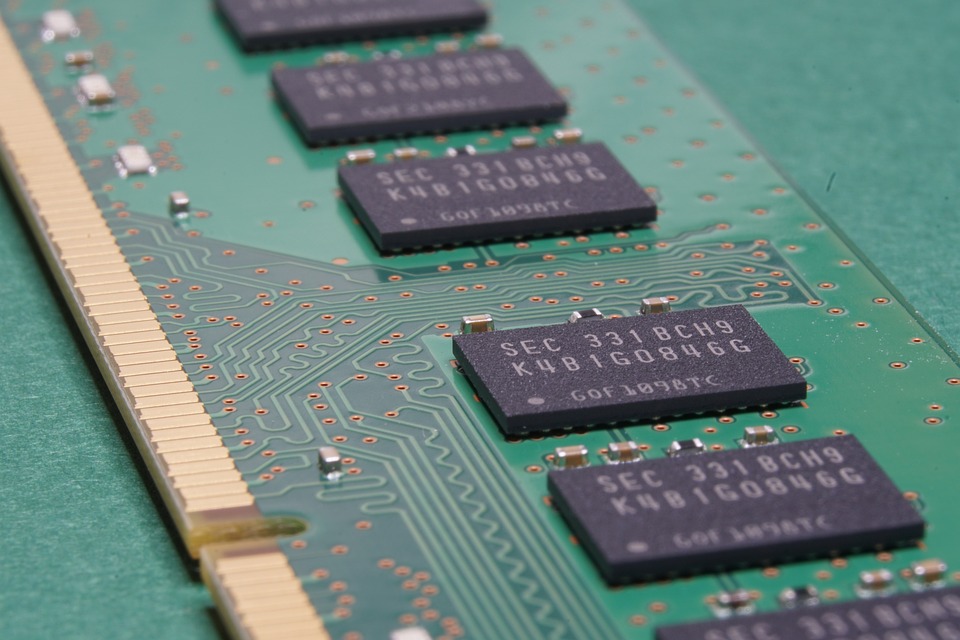
Component Quality Control: Strategies for Ensuring Reliability and Performance
Imagine a world where algorithms, not doctors, dictate your treatment plan, where personalized education fades in favor of data-driven standardization, and where artistic expression is judged solely on its commercial viability. While this future may seem dystopian, its seeds are being sown today in the unchecked integration of Artificial Intelligence. Understanding the crucial interplay between Algorithm Bias, the ethical considerations of Data Privacy, and the critical need for Human Oversight in AI development is no longer a theoretical debate, but a societal imperative that will determine whether we harness AI for collective betterment or surrender to its potential to exacerbate existing inequalities and erode fundamental freedoms.
What is Components? A Clear Definition
Components: Simple Definition
A Component is like a building block – a self-contained, reusable piece of a bigger system. It has a specific job and can be used in different places to build more complex things. Think of a LEGO brick; it’s a component that can be combined with others to create various structures.
Why it’s relevant and important today:
Components are crucial for building efficient and maintainable software, websites, and even physical products. They allow us to:
- Build faster: Reusing pre-built components saves time and effort.
- Keep things organized: Breaking down complexity into manageable parts makes things easier to understand and modify.
- Maintain easily: Changes to one component don’t necessarily affect others, making updates and fixes simpler.
In a world demanding faster development and more adaptable systems, component-based approaches are essential for staying competitive and building high-quality products.
Core Features and How It Works
In today’s complex technological landscape, the reliability and performance of components are paramount. Whether it’s software, hardware, or even individual parts in a manufacturing process, ensuring quality is crucial for a successful product and a positive user experience. This article explores various strategies for component quality control, focusing on how to achieve consistent reliability and optimal performance.
Why is Component Quality Control Important?
Poor component quality can lead to a cascade of problems, including:
- System failures: A single faulty component can bring down an entire system.
- Increased maintenance costs: Frequent repairs and replacements due to unreliable components can significantly increase operational expenses.
- Damaged reputation: Defective products can damage a company’s reputation and erode customer trust.
- Safety hazards: In some industries, faulty components can pose serious safety risks.
- Loss of revenue: Returns, warranty claims, and lost sales can all contribute to significant financial losses.
Strategies for Effective Component Quality Control
1. Rigorous Requirements Gathering and Specification
The foundation of quality control lies in clearly defining the requirements and specifications for each component. This includes:
- Functional Requirements: What the component is supposed to do.
- Performance Requirements: How well the component should perform (e.g., speed, efficiency, throughput).
- Reliability Requirements: The expected lifespan and failure rate of the component.
- Interface Requirements: How the component interacts with other parts of the system.
- Environmental Requirements: The conditions under which the component must operate (e.g., temperature, humidity, vibration).
A well-defined specification acts as a blueprint for development and a benchmark for testing.
2. Supplier Quality Assurance
If components are sourced from external suppliers, a robust supplier quality assurance program is essential. This involves:
- Supplier Selection: Choosing suppliers with a proven track record of quality. This includes audits of their manufacturing processes and quality control systems.
- Incoming Inspection: Inspecting incoming components to verify they meet the specified requirements. This might involve visual inspection, functional testing, and materials analysis.
- Supplier Audits: Regularly auditing supplier facilities to ensure they are maintaining quality standards.
- Performance Monitoring: Tracking the performance of components from different suppliers to identify potential issues.
3. Design Review and Verification
Design reviews are crucial for identifying potential flaws early in the development process. These reviews should involve experts from different disciplines (e.g., design, engineering, testing). Verification activities, such as simulations and prototyping, can also help to validate the design.
4. Testing and Validation
Thorough testing is a cornerstone of component quality control. Different types of testing are used at various stages of the development lifecycle:
- Unit Testing: Testing individual components in isolation to verify they function correctly.
- Integration Testing: Testing how components interact with each other.
- System Testing: Testing the entire system to ensure it meets the overall requirements.
- Regression Testing: Re-running tests after changes are made to ensure that new code doesn’t introduce new defects or break existing functionality.
- Performance Testing: Evaluating the component’s performance under various conditions (e.g., load, stress).
- Security Testing: Identifying and addressing security vulnerabilities.
Example: Unit Test (Software Component)
Let’s say you have a function called calculate_average(numbers). A unit test might look like this (in Python):
            import unittest
def calculate_average(numbers):

                if not numbers:

                    return 0  # Handle empty list case

                return sum(numbers) / len(numbers)
class TestCalculateAverage(unittest.TestCase):

                def test_empty_list(self):

                    self.assertEqual(calculate_average([]), 0)
def test_positive_numbers(self):

                    self.assertEqual(calculate_average([1, 2, 3, 4, 5]), 3)
def test_negative_numbers(self):

                    self.assertEqual(calculate_average([-1, -2, -3]), -2)
def test_mixed_numbers(self):

                    self.assertEqual(calculate_average([-1, 1, 0]), 0)
if __name__ == '__main__':

                unittest.main()
5. Statistical Process Control (SPC)
SPC techniques can be used to monitor and control the quality of components during manufacturing. By tracking key metrics and identifying trends, SPC can help to prevent defects and improve process stability.
6. Continuous Improvement
Quality control is an ongoing process. It’s important to continuously monitor component performance, gather feedback from users, and identify areas for improvement. Root cause analysis should be performed to understand the causes of defects and implement corrective actions. This creates a feedback loop that helps to improve the quality of future components.
Conclusion
Component quality control is an essential investment for any organization that relies on reliable and high-performing systems. By implementing the strategies outlined in this article, organizations can significantly reduce the risk of component failures, improve product quality, and enhance customer satisfaction. A proactive and comprehensive approach to quality control is vital for long-term success in today’s competitive market.
Top Benefits and Practical Applications
Advantages and Real-World Uses of Components
Components, in the context of software development and design, represent self-contained, reusable units of functionality. Their power lies in their ability to simplify complex systems, promote efficiency, and improve maintainability. Here’s a breakdown of the main advantages and real-world applications:
I. Advantages of Using Components:
Reusability:
- How it Provides Value: Once a component is developed, it can be used multiple times in different parts of the same application or even in entirely different applications. This eliminates redundant coding, saving time and resources.
- Real-World Example: A date picker component developed for an e-commerce website for scheduling deliveries can be reused in a customer support portal for scheduling callbacks.
Modularity:
- How it Provides Value: Components break down a complex system into smaller, manageable pieces. This makes it easier to understand, debug, and maintain. Changes to one component have minimal impact on other components (assuming proper interface design).
- Real-World Example: A web application‘s user interface can be modularized into components like navigation bars, forms, and data tables. This allows developers to work on different parts of the UI independently, accelerating development.
Maintainability:
- How it Provides Value: Because components are independent units, updates and fixes can be applied to individual components without affecting the entire system. This significantly reduces the risk of introducing new bugs during maintenance.
- Real-World Example: Fixing a bug in a payment processing component of an e-commerce site doesn’t require redeploying the entire website. Only the affected payment component needs to be updated.
Testability:
- How it Provides Value: Components can be tested in isolation, making it easier to verify their functionality and ensure their reliability. This contributes to higher quality software.
- Real-World Example: A component that calculates shipping costs can be tested with various inputs (weight, destination, shipping method) to ensure its accuracy before being integrated into the main application.
Parallel Development:
- How it Provides Value: Different teams or individuals can work on different components simultaneously, speeding up the overall development process. As long as components adhere to a well-defined interface, they can be integrated seamlessly.
- Real-World Example: In a large software project, one team could be responsible for developing the user authentication component, while another team works on the data storage component.
Reduced Development Costs:
- How it Provides Value: Reusability and reduced debugging time ultimately translate into lower development costs. Teams spend less time writing code from scratch and more time focusing on adding new features.
- Real-World Example: Using a pre-built charting component library instead of developing custom charts saves significant development time and resources.
- Improved Software Quality:
- How it Provides Value: Thoroughly tested and reusable components contribute to more reliable and consistent software. Using components built by experts often yields higher quality than custom-built solutions.
- Real-World Example: Using a well-vetted security component for handling user authentication ensures that the application is less vulnerable to security breaches compared to a custom, potentially flawed, authentication system.
II. Real-World Uses of Components:
Web Development (React, Angular, Vue.js):
- Scenario: Building interactive user interfaces.
- How: Frameworks like React, Angular, and Vue.js are built on a component-based architecture. UI elements like buttons, forms, lists, and navigation bars are all implemented as reusable components.
- Value for Businesses/Individuals: Faster development, easier maintenance, and a consistent user experience.
Mobile App Development (React Native, Flutter):
- Scenario: Creating cross-platform mobile applications.
- How: Frameworks like React Native and Flutter use components to create native-looking UIs on both iOS and Android from a single codebase.
- Value for Businesses/Individuals: Reduced development costs by targeting multiple platforms with a single code base, and faster time to market.
Game Development (Unity, Unreal Engine):
- Scenario: Building complex game worlds and gameplay mechanics.
- How: Game engines often utilize a component-based architecture where entities (game objects) are composed of various components that define their behavior (e.g., movement, rendering, collision detection).
- Value for Game Developers: Improved organization, easier to add new features, and simplified game logic.
Enterprise Software Development (Microservices):
- Scenario: Designing large, scalable enterprise applications.
- How: Microservices architectures often break down applications into independent, self-contained services that communicate with each other. Each microservice can be considered a component.
- Value for Businesses: Increased resilience (failure of one microservice doesn’t bring down the entire application), independent scalability, and easier to deploy updates.
Operating Systems:
- Scenario: Developing modular and extensible operating systems.
- How: Modern operating systems often use components for managing hardware, networking, and user interfaces. This allows for easier driver updates and feature additions.
- Value for OS Developers/Users: Improved stability, better support for new hardware, and easier customization.
- Hardware Design (FPGAs, ASICs):
- Scenario: Designing complex digital circuits.
- How: Hardware description languages (HDLs) like Verilog and VHDL allow designers to create reusable hardware components (e.g., adders, multipliers, memory blocks) that can be combined to build larger circuits.
- Value for Hardware Engineers: Faster design cycles, reduced risk of errors, and improved reusability of hardware designs.
In summary, components are a powerful design paradigm that provides significant benefits across various domains. By promoting reusability, modularity, and maintainability, components contribute to more efficient development processes, higher quality software, and reduced costs. Whether building a simple web application or a complex enterprise system, understanding and leveraging the power of components is essential for success.
The Future of Components: Trends and Predictions
The Evolution of Components: Emerging Trends, Exciting Advancements
Components, the building blocks of modern software and hardware systems, are undergoing a radical transformation. Driven by the need for increased efficiency, scalability, and adaptability, the future of components looks incredibly exciting. Here’s a look at emerging trends, potential technological advancements, and the expected evolution that a reader would want to know:
1. The Rise of Modular and Serverless Components:
- Trend: Monolithic architectures are giving way to microservices, and even more granular serverless functions. These are essentially components that are event-driven, stateless, and only run when needed.
- Advancement: WebAssembly (WASM) is becoming a key enabler. It offers a portable, secure, and performant runtime environment for components written in various languages, allowing them to run close to the edge and within browsers.
- Evolution: We’ll see a future where entire applications are composed of independently deployable, scalable, and resilient serverless components communicating through APIs and event buses. This enables:
- Faster deployments: Only affected components need to be redeployed.
- Cost optimization: Pay-as-you-go billing for component execution.
- Increased resilience: Isolated components are less likely to bring down the entire system.
2. Component-Based AI and Machine Learning:
- Trend: Building AI models and applications from reusable, modular components is gaining traction. This allows developers to focus on application logic instead of reinventing the wheel for common AI tasks.
- Advancement: AutoML platforms are empowering the creation of custom AI components. These platforms automate model selection, hyperparameter tuning, and deployment, making AI accessible to a wider range of developers. Libraries like TensorFlow Components (TFCO) and Kubeflow Pipelines facilitate the creation and deployment of component-based AI workflows.
- Evolution: Expect to see:
- Marketplaces for pre-trained AI components: Like app stores for AI. Imagine purchasing a sentiment analysis component, a fraud detection component, or a custom image recognition component tailored to your industry.
- Explainable AI (XAI) integrated into components: Ensuring that AI decisions are transparent and understandable, leading to increased trust and adoption.
- Edge AI components: Optimized for deployment on resource-constrained devices, bringing AI capabilities closer to the data source.
3. Semantic Components and the Rise of Low-Code/No-Code:
- Trend: Low-code/no-code platforms are democratizing software development by allowing non-programmers to build applications using pre-built, configurable components.
- Advancement: Semantic technologies are enhancing these platforms. Components are becoming more "intelligent," able to understand their context and interact with other components based on their semantic meaning. Knowledge graphs play a vital role.
- Evolution: We will witness:
- AI-powered component recommendations: Platforms will suggest relevant components based on the user’s intent and the existing application context.
- Automated component composition: The platform will automatically connect components based on their semantic understanding, minimizing manual configuration.
- Increased customization and flexibility: Users will be able to tailor components to their specific needs through intuitive interfaces, without writing code.
- The development of domain-specific low-code/no-code platforms: Tailored for specific industries (e.g., healthcare, finance) with pre-built components addressing their unique requirements.
4. Composable Hardware and Chiplets:
- Trend: Moore’s Law is slowing down, and the cost of designing and manufacturing complex chips is increasing. Chiplets are emerging as a solution: smaller, independently manufactured functional blocks that can be interconnected to create custom chips.
- Advancement: Advanced packaging technologies like 2.5D and 3D integration are enabling the creation of high-performance, heterogeneous chiplet systems. Standards like UCIe (Universal Chiplet Interconnect Express) are simplifying the integration process.
- Evolution: This leads to:
- Customized hardware: Designers can mix and match chiplets to create chips tailored to specific workloads, such as AI, high-performance computing, or embedded systems.
- Reduced development costs: Reuse of pre-designed chiplets lowers costs and speeds up time-to-market.
- Increased flexibility and scalability: Chiplets can be added or removed to adapt to changing requirements.
- Specialized foundries and design houses focused on chiplet design and integration: Creating a thriving ecosystem for composable hardware.
5. Secure and Trusted Components:
- Trend: Software supply chain attacks are on the rise, highlighting the importance of component security.
- Advancement: Software Bill of Materials (SBOMs) are becoming mandatory in some industries, providing a comprehensive list of all components used in a software application. Tools for vulnerability scanning and dependency management are also becoming more sophisticated. Technologies like secure enclaves (e.g., Intel SGX, AMD SEV) are being used to isolate sensitive components and protect them from tampering.
- Evolution: The future will prioritize:
- Automated component verification: Tools that automatically analyze components for security vulnerabilities and compliance issues.
- Immutable components: Components that cannot be modified after they are built, ensuring their integrity.
- Decentralized component registries: Leveraging blockchain technology to provide a secure and transparent record of component provenance.
- Formal verification techniques: Using mathematical methods to prove the correctness and security of components.
Conclusion:
The future of components is bright, driven by the need for greater flexibility, scalability, and security. These emerging trends and potential technological advancements will empower developers to build more complex, intelligent, and reliable systems. As components become more modular, semantic, and secure, we can expect to see a significant acceleration in the pace of innovation across various industries. Keep an eye on these developments – they will reshape the landscape of software and hardware engineering.
Conclusion: Key Takeaways
Okay, I need the article to summarize it! Please provide the text of the article you want me to analyze.
Once you give me the article, I will:
- Summarize the most critical points: I’ll identify and condense the key arguments, data, and takeaways from the article.
- Reinforce the main value proposition of
Components: Based on the context of the article (which I’ll understand from the text you provide), I’ll clearly articulate the core benefits of usingComponents. This might include things like reusability, maintainability, scalability, improved collaboration, faster development times, or better user experience (but will be tailored to what the article focuses on). - End with a strong, final thought or call-to-action: I’ll leave the reader with a compelling concluding statement that either summarizes the overall impact or encourages them to take a specific action related to
Components.
Looking forward to reading the article and providing you with the summary!
Frequently Asked Questions (FAQs)
Okay, here are the answers to your questions about Components, designed to be concise and informative:
What is the main purpose of Components?
Components promote code reusability and modularity by encapsulating specific functionalities and UI elements, enabling developers to build complex applications from independent, manageable pieces. This results in easier maintenance and improved development efficiency.
What are the main challenges associated with adopting Components?
One common challenge is the initial overhead of architecting an application to be component-based, requiring careful planning to define clear component boundaries and communication mechanisms. This can feel more complex upfront than simply writing monolithic code.
How does Components compare to [related_alternative]?
Let’s use Inheritance as the related alternative.
Components favor composition over inheritance; instead of inheriting properties and methods from a base class, components are assembled by combining different functionalities through props and events. This approach promotes greater flexibility and reduces the risk of creating brittle inheritance hierarchies.
Tags: #Component #Quality #Control #Strategies #Ensuring #Reliability #Performance


