

Focusing on Problems/Challenges:
Imagine stepping into a home that anticipates your needs before you even realize them. A home that adjusts the lighting to your mood, optimizes energy consumption, and ensures your security with silent, vigilant sentinels. This isn’t science fiction; it’s the reality of the Smart Home, a revolution that’s reshaping how we live and interact with our environments. Understanding the potential and the pitfalls of this technology is no longer a luxury, but a necessity for anyone seeking to navigate the increasingly connected world and unlock the benefits of a safer, more comfortable, and efficient future.
What is Smart Home? A Clear Definition
Definition:
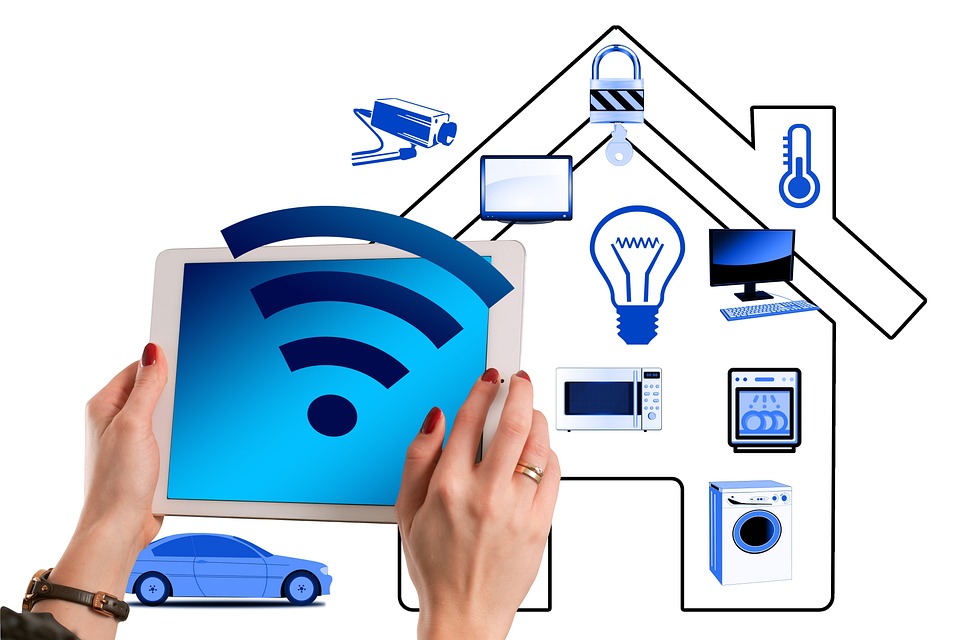
A Smart Home is a house equipped with devices that can be controlled remotely and often automatically, usually via a smartphone app, voice control, or other network-connected device.
Core Concept:
It’s about making your home more convenient, efficient, and secure by connecting everyday objects (like lights, appliances, and security systems) to the internet so you can manage them from anywhere.
Relevance and Importance:
It’s relevant today because technology has made it affordable and easy to automate and manage our homes. It’s important because it offers increased comfort, energy savings, enhanced security, and greater control over our living environment, contributing to a more convenient and efficient lifestyle.
Core Features and How It Works
Life is full of problems and challenges. Whether they’re personal, professional, or societal, effectively addressing these obstacles is crucial for growth, progress, and overall well-being. This article explores the importance of focusing on problems and challenges, providing strategies and insights to help you approach them with confidence and effectiveness.
Why Focus on Problems?
Ignoring problems rarely makes them disappear. In fact, avoidance often leads to:
- Escalation: Small issues can snowball into larger, more complex ones.
- Missed Opportunities: Problems can highlight areas for improvement and innovation. Ignoring them means missing out on these opportunities.
- Increased Stress and Anxiety: Unresolved issues can weigh heavily on your mind, impacting your mental health.
- Stalled Progress: Obstacles, when unaddressed, can prevent you from achieving your goals.
By actively focusing on problems, we empower ourselves to find solutions, learn valuable lessons, and ultimately achieve better outcomes.
Strategies for Effective Problem Solving
Here’s a breakdown of effective strategies for tackling challenges:
1. Identify and Define the Problem
Clearly defining the problem is the first and most crucial step. Ask yourself:
- What is the specific issue?
- What are the symptoms or consequences of the problem?
- Who is affected by the problem?
- Where is the problem occurring?
- When did the problem begin?
Use precise language to avoid ambiguity. Vague problem statements like “We have a sales problem” should be refined to something like “Sales in the Q2 have decreased by 15% compared to Q1, impacting the company’s overall revenue goals.”
2. Analyze the Problem
Once you’ve defined the problem, delve deeper to understand its root causes. Consider using techniques like:
- The 5 Whys: Repeatedly asking “Why?” to drill down to the underlying cause.
- Fishbone Diagram (Ishikawa Diagram): A visual tool to identify potential causes by category (e.g., people, processes, equipment, environment).
- SWOT Analysis: Analyzing the Strengths, Weaknesses, Opportunities, and Threats related to the problem.
- Data Analysis: Examining relevant data to identify patterns and trends.
3. Generate Potential Solutions
Brainstorm a wide range of potential solutions, even if they seem unconventional at first. Encourage creativity and avoid immediate judgment. Techniques like brainstorming, mind mapping, and lateral thinking can be helpful.
4. Evaluate and Select the Best Solution
Assess each potential solution based on factors like:
- Effectiveness: How well will the solution address the problem?
- Feasibility: Is the solution practical and achievable given available resources?
- Cost: What are the costs associated with implementing the solution?
- Risks: What are the potential risks and drawbacks of the solution?
- Impact: What are the short-term and long-term consequences?
Choose the solution that offers the best balance of effectiveness, feasibility, cost-effectiveness, and minimal risk.
5. Implement the Solution
Develop a detailed action plan for implementing the chosen solution. Assign responsibilities, set timelines, and allocate resources. Communicate the plan clearly to all stakeholders.
6. Monitor and Evaluate the Results
Regularly monitor the progress of the implementation and evaluate the effectiveness of the solution. Collect data to track key metrics and identify any unexpected consequences. Be prepared to adjust the plan as needed.
Adopting a Positive Mindset
While focusing on problems might seem negative, it’s essential to approach them with a positive and proactive mindset. Believe in your ability to find solutions, and view challenges as opportunities for learning and growth. Maintain a focus on progress and celebrate small victories along the way.
By embracing a problem-solving mindset and utilizing effective strategies, you can transform challenges into opportunities for innovation, growth, and success.
Key Takeaway: Don’t shy away from problems. Embrace them as opportunities for growth and improvement. By systematically analyzing challenges and developing effective solutions, you can unlock your full potential and achieve your goals.
Top Benefits and Practical Applications
Smart Home Advantages and Real-World Uses:
Smart home technology offers a wide range of benefits, improving convenience, security, energy efficiency, and overall quality of life. These benefits translate to various real-world uses, impacting individuals, businesses, and even communities.
I. Advantages of Smart Home Technology:
- A. Enhanced Convenience & Automation:
- How it provides value: Automates daily tasks, allowing users to control various aspects of their homes remotely.
- Examples: Scheduling lights to turn on/off at specific times, automatically adjusting thermostat based on weather forecasts, starting coffee maker from bed, opening garage door upon arrival.
- B. Improved Security & Safety:
- How it provides value: Offers increased protection against intrusion, fire, and other hazards. Enables remote monitoring and real-time alerts.
- Examples: Smart security cameras with motion detection and facial recognition, automated door locks that can be remotely locked/unlocked, smoke and carbon monoxide detectors with smartphone alerts, water leak sensors that automatically shut off the main water supply.
- C. Increased Energy Efficiency & Cost Savings:
- How it provides value: Optimizes energy consumption, leading to lower utility bills and a smaller environmental footprint.
- Examples: Smart thermostats that learn user preferences and adjust temperature accordingly, smart lighting systems that automatically dim or turn off lights in unoccupied rooms, smart plugs that monitor energy usage and can be remotely controlled to eliminate phantom power drain.
- D. Enhanced Accessibility & Assistive Living:
- How it provides value: Provides valuable assistance to elderly individuals and people with disabilities, promoting independence and improving quality of life.
- Examples: Voice-controlled appliances, smart lighting that can be controlled with a smartphone or voice assistant, remote monitoring of health conditions, emergency alert systems that automatically notify caregivers in case of falls or other emergencies.
- E. Data-Driven Insights & Personalization:
- How it provides value: Collects data on usage patterns to provide valuable insights into homeowner behaviour and preferences, enabling personalized experiences.
- Examples: Smart thermostats that provide data on heating/cooling usage, smart lighting systems that track which lights are used most often, voice assistants that learn user preferences and provide tailored recommendations.
- F. Entertainment & Media Management:
- How it provides value: Simplifies and enhances entertainment experiences, making it easier to access and control media throughout the home.
- Examples: Whole-home audio systems controlled via voice or smartphone, smart TVs that offer streaming services and voice control, automated blinds that can be lowered for optimal movie viewing.
II. Real-World Uses of Smart Home Technology:
A. For Individuals & Families:
- Scenario: Working professional living alone: Uses smart locks and security cameras to feel safer at home. Relies on smart lighting to create a welcoming environment when returning from work. Uses a smart thermostat to preheat the house before they get home.
- Scenario: Families with young children: Utilizes smart baby monitors with video and audio alerts. Uses smart lighting and temperature control to create a comfortable and safe environment for children. Automated locks enhance safety.
- Scenario: Elderly individuals living alone: Benefit from voice-activated devices for convenience and safety. Smart medical alerts provide peace of mind and faster response times in emergencies. Remote monitoring by family members is enabled via smart security systems.
B. For Businesses (e.g., Vacation Rentals, Small Offices):
- Scenario: Vacation rental owners: Can remotely manage guest access with smart locks, monitor property with security cameras, and control thermostats to optimize energy consumption between guests.
- Scenario: Small office environments: Automate lighting and HVAC based on occupancy, reducing energy costs. Smart security systems deter theft and protect sensitive information. Access control is improved.
C. For Communities & Urban Planning:
- Scenario: Smart apartments and condominiums: Provide residents with access to smart home features like smart locks, thermostats, and lighting. Building managers can remotely monitor and manage building systems, improving efficiency and security.
- Scenario: Smart cities: Integrate smart home technology with broader urban infrastructure to optimize energy consumption, manage traffic flow, and improve public safety. Smart grids and smart street lighting become possible.
- D. Healthcare & Assisted Living Facilities:
- Scenario: Assisted living facilities: Utilize smart home technology to monitor residents’ health and well-being. Smart sensors can detect falls, track medication adherence, and provide alerts to caregivers. Automated lighting and temperature control create a comfortable and safe environment for residents.
In conclusion, smart home technology offers a wide array of advantages and real-world uses, ranging from increased convenience and security to improved energy efficiency and accessibility. Its versatility and ability to be tailored to individual needs makes it a valuable tool for individuals, families, businesses, and communities alike. As the technology continues to evolve, we can expect even more innovative applications to emerge in the future.
The Future of Smart Home: Trends and Predictions
The Smart Home’s Next Act: Beyond the Basics
The smart home, once a futuristic fantasy, is now commonplace. But its journey is far from over. Emerging trends and technological advancements are poised to transform our living spaces into truly intelligent, responsive, and personalized environments. Here’s a glimpse into the exciting future of the smart home:
1. AI-Powered Personalization & Prediction:
- Trend: Moving beyond simple automation (like turning lights on/off) towards proactive assistance. AI learns user habits and anticipates needs, optimizing energy usage, adjusting temperature based on preferences, and even suggesting meals based on dietary restrictions and available ingredients.
- Advancement: Context-aware AI will integrate data from various sensors (occupancy, weather, health trackers) to understand the complete context of a situation. Imagine your coffee brewing as you wake up, your favorite music playing as you enter the living room, and the thermostat adjusting based on your body temperature.
- Impact: Saves time, energy, and improves overall comfort and well-being. Forget programming routines – the home becomes a truly adaptive partner.
2. The Rise of Ambient Computing:
- Trend: Technology blending seamlessly into the environment, becoming less intrusive and more intuitive.
- Advancement: Invisible Interfaces – Projectors displaying information on surfaces, gesture control becoming more sophisticated, and voice assistants evolving into natural language companions. Sensory Integration – Smart materials reacting to touch, light, and temperature, creating a truly immersive experience.
- Impact: A home that anticipates needs without demanding constant attention. Imagine adjusting the lighting simply by touching a wall, or receiving subtle notifications projected onto a surface.
3. Enhanced Security and Privacy:
- Trend: Addressing growing concerns about data privacy and cybersecurity vulnerabilities.
- Advancement: Edge Computing: Processing data locally within the home, rather than sending it to the cloud, reduces reliance on internet connectivity and minimizes data exposure. Blockchain Integration: Securely managing access to devices and data, preventing unauthorized access and tampering. AI-Driven Threat Detection: Learning behavioral patterns to identify and flag suspicious activities within the home network.
- Impact: Greater control over personal data, reduced risk of hacking and privacy breaches, and a more secure smart home environment.
4. Healthcare & Wellness at Home:
- Trend: Leveraging smart home technology to monitor health, improve fitness, and support aging in place.
- Advancement: Smart Health Monitoring: Integrated sensors in furniture, mirrors, and wearables tracking vital signs, sleep patterns, and even subtle changes in gait or behavior. Remote Patient Monitoring: Enabling virtual consultations with healthcare providers and providing real-time data for personalized treatment plans. Fall Detection & Emergency Response: Using AI and sensors to detect falls and automatically alert emergency services.
- Impact: Proactive healthcare management, reduced hospital visits, and greater independence for seniors and individuals with chronic conditions.
5. Sustainable & Energy-Efficient Living:
- Trend: Integrating smart home technology to optimize energy consumption, reduce waste, and promote eco-friendly practices.
- Advancement: Smart Energy Management: Intelligent thermostats, smart plugs, and energy-monitoring systems that learn energy usage patterns and automatically adjust settings to minimize waste. Renewable Energy Integration: Optimizing the use of solar panels, wind turbines, and other renewable energy sources based on weather conditions and energy demand. Smart Water Management: Detecting leaks, optimizing irrigation systems, and promoting water conservation.
- Impact: Reduced energy bills, lower carbon footprint, and a more sustainable lifestyle.
6. The Metaverse Meets the Smart Home:
- Trend: Blurring the lines between the physical and digital worlds, creating immersive and interactive experiences within the home.
- Advancement: Augmented Reality (AR) Overlays: Projecting virtual objects and information onto physical surfaces, enhancing home decor, providing interactive tutorials, and facilitating remote collaboration. Virtual Reality (VR) Integration: Creating immersive virtual environments within the home, allowing users to explore new worlds, connect with others, and experience entertainment in new ways. Digital Twins: Creating a virtual replica of the home that can be used to test design changes, optimize energy efficiency, and manage maintenance.
- Impact: A more interactive, personalized, and entertaining home environment. Imagine virtually redecorating your living room before making any physical changes, or connecting with friends and family in shared virtual spaces within your home.
7. Modular & Adaptable Design:
- Trend: Moving away from fixed layouts toward flexible and customizable living spaces.
- Advancement: Smart Furniture: Modular furniture that can be easily reconfigured to suit different needs and activities. Adaptive Walls: Walls that can be moved, rotated, or even disappear to create open spaces or private rooms. Smart Materials: Materials that can change their properties (e.g., transparency, color) in response to user input or environmental conditions.
- Impact: Homes that can adapt to changing lifestyles and needs, maximizing space and flexibility.
8. Open Standards & Interoperability:
- Trend: Moving away from proprietary ecosystems towards open standards that allow devices from different manufacturers to communicate seamlessly.
- Advancement: Matter Protocol: A unified connectivity standard that enables devices from different brands to work together seamlessly, regardless of the underlying technology. Open Source Platforms: Providing developers with the tools and resources they need to create innovative smart home applications and services. Standardized APIs: Allowing different devices and platforms to exchange data and functionality.
- Impact: Greater choice for consumers, reduced vendor lock-in, and a more seamless and integrated smart home experience.
Challenges Ahead:
While the future of the smart home is bright, there are challenges to overcome:
- Cost: Making smart home technology more accessible to a wider range of consumers.
- Complexity: Simplifying installation and configuration to make smart home technology easier to use.
- Security & Privacy: Addressing ongoing concerns about data security and privacy.
- Interoperability: Ensuring that devices from different manufacturers can work together seamlessly.
- Ethical Considerations: Addressing the potential for bias and discrimination in AI-powered smart home systems.
Conclusion:
The smart home is evolving beyond simple automation into a personalized, intelligent, and responsive environment that adapts to our needs and enhances our lives. By embracing advancements in AI, ambient computing, security, healthcare, sustainability, and the metaverse, we can create homes that are not only smarter but also more comfortable, convenient, secure, and sustainable. The future of the smart home is exciting, and the journey has just begun.
Conclusion: Key Takeaways
Please provide me with the article you want me to summarize! I need the text of the article to identify the critical points, understand the value proposition of "Smart Home" as it relates to the article, and craft a compelling final thought or call to action.
Once you provide the article, I can help you with:
- Identifying the most critical points: I’ll extract the key arguments, facts, and statistics.
- Reinforcing the main value proposition of "Smart Home": I’ll explain how the technology mentioned improves convenience, security, efficiency, or any other key benefit for homeowners.
- Crafting a strong final thought or call-to-action: I’ll end with a sentence or two that encourages readers to take the next step, whether it’s learning more, considering a smart home upgrade, or taking advantage of a specific offer.
Frequently Asked Questions (FAQs)
Okay, I need the [related_alternative] filled in to answer the third question. Let’s assume [related_alternative] is "Traditional Home Automation".
Here are the answers:
What is the main purpose of Smart Home?
The main purpose of a Smart Home is to enhance convenience, comfort, security, and energy efficiency within a residence by automating and remotely controlling various home functions. Ultimately, it aims to simplify daily life and improve the overall living experience.
What are the main challenges associated with adopting Smart Home?
A significant challenge in adopting Smart Home technology is the initial cost and complexity of setting up and integrating various devices and platforms, often requiring technical knowledge or professional installation.
How does Smart Home compare to Traditional Home Automation?
Smart Home systems are typically more user-friendly, wirelessly connected (using Wi-Fi or other protocols), and remotely accessible via smartphones, while traditional home automation often relies on hardwired systems, centralized control panels, and limited remote access.
Tags: #Focusing #ProblemsChallenges