

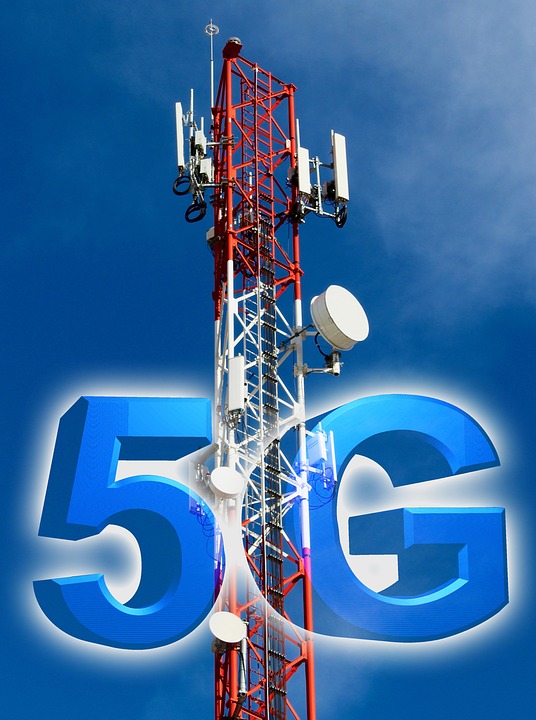
The fifth generation of wireless technology, commonly known as 5G, is revolutionizing the way we communicate, work, and live. This cutting-edge technology promises to deliver faster speeds, lower latency, and greater connectivity than ever before. In this article, we’ll delve into the world of 5G, exploring its benefits, applications, and what it means for the future of telecommunications.
What is 5G?
5G is the next generation of wireless technology, designed to provide faster data speeds, lower latency, and greater connectivity than its predecessors. It operates on a new frequency band, using a different set of technologies and protocols to deliver data. The main goals of 5G are to provide:
- Faster data speeds: up to 20 Gbps (gigabits per second)
- Lower latency: as low as 1 ms (millisecond)
- Greater connectivity: supporting up to 1 million devices per square kilometer
Benefits of 5G
The benefits of 5G are numerous and far-reaching. Some of the most significant advantages include:
- Enhanced mobile broadband: faster data speeds and lower latency enable seamless video streaming, online gaming, and virtual reality experiences
- Massive machine-type communications: 5G enables the connection of billions of devices, paving the way for the Internet of Things (IoT)
- Ultra-reliable low-latency communications: 5G ensures mission-critical communications, such as remote healthcare and autonomous vehicles
- Increased productivity: 5G enables faster data transfer and lower latency, boosting productivity and efficiency in various industries
Applications of 5G
5G has a wide range of applications across various industries, including:
- Healthcare: remote patient monitoring, telemedicine, and medical research
- Transportation: autonomous vehicles, smart traffic management, and logistics
- Manufacturing: predictive maintenance, quality control, and supply chain optimization
- Education: virtual and augmented reality learning experiences, remote education, and online tutoring
Challenges and Limitations
While 5G offers many benefits, there are also challenges and limitations to consider:
- Infrastructure costs: building out 5G networks requires significant investment in infrastructure
- Security concerns: 5G networks are more complex and vulnerable to cyber threats
- Regulatory frameworks: governments and regulatory bodies must create frameworks to support 5G development and deployment
- Device compatibility: ensuring that devices are compatible with 5G networks is essential
Conclusion
5G is a revolutionary technology that promises to transform the way we live, work, and communicate. With its faster speeds, lower latency, and greater connectivity, 5G has the potential to unlock new applications and services that will drive economic growth, improve healthcare, and enhance our daily lives. As 5G continues to roll out globally, it’s essential to address the challenges and limitations associated with this technology to ensure a seamless and secure transition to the next generation of wireless connectivity.
Stay tuned for more updates on 5G and its applications, and discover how this technology is shaping the future of telecommunications.