

How AI is Revolutionizing the Smart Home
Imagine a world where your home anticipates your needs, adjusting the temperature before you arrive, brewing your coffee at the perfect moment, and securing itself against unwanted intrusions – all without you lifting a finger. This isn’t science fiction; it’s the burgeoning reality of the Smart Home, a transformative technology poised to revolutionize how we live. Understanding its potential, its challenges, and its implications is crucial, not just for tech enthusiasts, but for anyone seeking to navigate the future of comfortable, efficient, and secure living.
What is Smart Home? A Clear Definition
A Smart Home is a home equipped with internet-connected devices that allow you to remotely control and automate various functions, like lighting, temperature, security, and entertainment.
Core concept: It’s about using technology to make your home more convenient, comfortable, efficient, and secure, often by controlling things from your smartphone or with voice commands.
Relevance & Importance: It’s relevant because it offers potential cost savings (energy efficiency), improved security, increased comfort, and allows for greater accessibility and control over your home, especially as technology becomes more affordable and integrated into our daily lives. As we strive for more sustainable and personalized living experiences, smart home technology plays a crucial role.
Core Features and How It Works

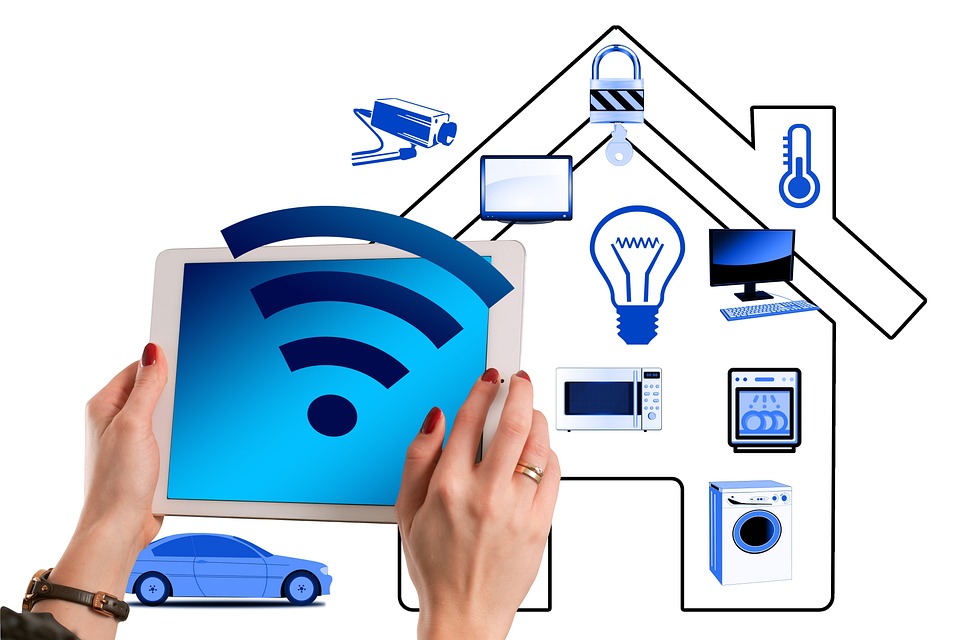
Image: A conceptual illustration of a smart home environment.
The smart home is no longer a futuristic fantasy. Thanks to advancements in technology, particularly in the realm of Artificial Intelligence (AI), it’s becoming a reality for more and more people. AI is transforming how we interact with our homes, making them more convenient, efficient, and secure.
Enhanced Automation and Control
AI is taking smart home automation to the next level. Instead of simply responding to pre-programmed commands, AI-powered devices can learn your habits, preferences, and routines. This allows them to anticipate your needs and proactively adjust settings without requiring manual intervention.
- Smart Thermostats: AI algorithms learn your heating and cooling preferences and optimize energy consumption by automatically adjusting the temperature based on occupancy and weather patterns.
- Intelligent Lighting: AI can control lighting based on natural light levels, time of day, and your presence in a room, creating the perfect ambiance while saving energy.
- Personalized Entertainment: AI-powered voice assistants can learn your musical tastes and recommend songs or playlists that you’ll enjoy.
Improved Security and Safety
AI is also significantly enhancing home security systems. By analyzing data from cameras, sensors, and other devices, AI can identify potential threats and alert you in real-time.
- Facial Recognition: AI-powered security cameras can recognize familiar faces and alert you only when an unknown person is detected.
- Anomaly Detection: AI can learn the normal patterns of activity in your home and identify unusual events, such as a door being opened at an odd hour.
- Predictive Maintenance: AI can analyze data from smart appliances to predict potential failures and schedule maintenance before problems arise, preventing costly repairs and safety hazards.
Voice Control and Natural Language Processing
Voice assistants like Amazon Alexa and Google Assistant are powered by AI and have become integral parts of the smart home ecosystem. They allow you to control your devices using natural language commands, making it easier than ever to interact with your home.
For example, you can simply say, “Alexa, turn off the lights,” or “Hey Google, play my favorite playlist,” to control your devices without lifting a finger. The natural language processing capabilities of AI allow these assistants to understand and respond to a wide range of commands and queries.
Personalized Experiences
AI is enabling smart homes to become truly personalized. By learning your individual preferences and habits, AI can create a customized living environment that caters to your specific needs.
Imagine a home that automatically adjusts the lighting, temperature, and music to your liking when you arrive home from work. Or a security system that recognizes your family members and allows them access without requiring a passcode. AI is making these scenarios a reality.
The Future of Smart Homes with AI
The integration of AI into smart homes is still in its early stages, but the potential is enormous. As AI technology continues to evolve, we can expect to see even more innovative and sophisticated smart home applications emerge in the future.
From personalized health monitoring to proactive energy management, AI is poised to transform the way we live and interact with our homes, making them more intelligent, efficient, and responsive to our needs. The future of the smart home is undoubtedly intertwined with the advancements in Artificial Intelligence.
Top Benefits and Practical Applications
Advantages and Real-World Uses of Smart Home Technology
Smart home technology refers to devices and systems that automate tasks, improve comfort, enhance security, and optimize energy consumption within a residential or commercial space. Its advantages stem from its ability to connect various devices and appliances to a central network, allowing for remote control, monitoring, and even predictive automation.
Here’s a breakdown of the main advantages and real-world uses:
1. Increased Convenience and Comfort:
- Description: Automates daily tasks and provides centralized control of home functions, enhancing overall comfort and reducing manual effort.
- How it provides value:
- Individuals: Imagine waking up to a coffee automatically brewed at a set time, lights gradually dimming in the evening, and your thermostat adjusting based on your schedule. Smart blinds open and close based on sunrise and sunset. You can remotely preheat your oven on your way home from work.
- Families: Simplify morning routines by automating breakfast preparations and setting reminders for school activities. Enhance movie nights with automated lighting and sound configurations.
- People with disabilities or limited mobility: Voice-controlled lighting, appliances, and door locks provide independence and assistance. Smart home systems can monitor activity and alert caregivers in case of falls or emergencies.
2. Enhanced Security and Safety:
- Description: Provides advanced security features, including remote monitoring, real-time alerts, and automated responses to potential threats.
- How it provides value:
- Individuals and Families: Remote surveillance systems with motion detectors and door/window sensors provide peace of mind. Receive alerts on your smartphone if a door is left unlocked or if unusual activity is detected. Simulated occupancy (turning on lights and playing audio) can deter burglars when you are away. Smart smoke detectors provide early warnings and can even notify emergency services automatically.
- Businesses (e.g., small offices, vacation rentals): Monitor employee access, track inventory, and prevent unauthorized entry. Remotely manage lighting and temperature to ensure energy efficiency and security during off-hours. Keyless entry systems with temporary access codes offer convenient and secure guest management for vacation rentals.
- Elderly or Vulnerable Individuals: Wearable sensors can detect falls and automatically alert emergency services. Smart pill dispensers ensure medication adherence. Motion sensors can track activity patterns and alert caregivers to deviations from the norm.
3. Energy Efficiency and Cost Savings:
- Description: Optimizes energy consumption by automating lighting, heating, and cooling systems based on occupancy, weather conditions, and user preferences.
- How it provides value:
- Individuals and Families: Smart thermostats learn your heating and cooling habits and adjust temperatures automatically to save energy. Smart lighting systems automatically turn off lights in unoccupied rooms. Smart appliances can be programmed to operate during off-peak hours when electricity rates are lower. Monitoring energy usage allows you to identify areas where you can reduce consumption.
- Businesses: Implement centralized control of HVAC systems to optimize temperature settings based on occupancy and time of day. Reduce lighting costs by using smart sensors to detect occupancy and adjust lighting levels accordingly. Monitor and manage energy consumption across different departments or areas to identify potential savings opportunities.
4. Increased Home Value:
- Description: A smart home can be a major selling point, adding significant value to your property.
- How it provides value:
- Homeowners: Prospective buyers are increasingly looking for homes with smart features. A smart home is often seen as modern, convenient, and secure, increasing its appeal and potential resale value. Smart features can also make a property stand out in a competitive market.
5. Enhanced Entertainment:
- Description: Provides seamless integration and control over entertainment systems, creating a more immersive and personalized experience.
- How it provides value:
- Individuals and Families: Voice-controlled music streaming, smart TVs, and automated lighting create a personalized home theater experience. Integrate entertainment systems with other smart home features, such as dimming the lights when a movie starts or pausing music when the phone rings.
6. Data-Driven Insights and Optimization:
- Description: Collects data on home usage patterns, allowing for informed decisions and continuous optimization of smart home systems.
- How it provides value:
- Individuals and Families: Track energy consumption patterns to identify areas for improvement. Analyze sleep patterns using smart beds or wearable sensors to optimize sleep quality. Gain insights into home security by reviewing security camera footage and activity logs.
- Businesses: Analyze occupancy data to optimize space utilization and energy consumption. Track customer behavior in retail environments to improve product placement and customer service.
Real-World Use Examples:
- Elderly Care: Smart home technology used to monitor vital signs, detect falls, and provide medication reminders, allowing seniors to age in place safely and independently.
- Vacation Rentals: Keyless entry systems, remote monitoring, and automated climate control enhance the guest experience and simplify property management.
- Energy-Efficient Homes: Smart thermostats, lighting controls, and appliance management systems reduce energy consumption and lower utility bills, contributing to a more sustainable lifestyle.
- Smart Offices: Automated lighting, climate control, and security systems create a more comfortable and productive work environment.
- Retail Stores: Smart shelves, occupancy sensors, and security cameras provide valuable data on customer behavior and inventory management, improving efficiency and profitability.
In conclusion, smart home technology offers a wide range of benefits across various domains, improving comfort, security, energy efficiency, and overall quality of life. Its real-world applications are continuously expanding as technology advances and becomes more accessible.
The Future of Smart Home: Trends and Predictions
The Evolving Smart Home: Beyond Voice Control and Toward Intelligence
The smart home is no longer a futuristic fantasy, but a growing reality. However, the future of the smart home goes far beyond simply turning lights on and off with your voice. We’re on the cusp of a revolution driven by AI, advanced sensors, and seamless integration that will transform our homes into intelligent, proactive living spaces. Here’s a look at the exciting emerging trends, potential advancements, and expected evolution:
I. Emerging Trends Fueling the Smart Home Revolution:
AI-Powered Personalization and Proactivity: Forget simple automation. AI and machine learning are key to creating truly smart homes that learn your habits, anticipate your needs, and adapt to your preferences. Imagine your thermostat adjusting automatically based on your historical energy consumption, predicted weather patterns, and occupancy schedule, rather than just a pre-set timer.
- Example: A smart kitchen appliance noticing you regularly prepare a certain meal on Wednesdays and proactively preheating the oven and gathering the required ingredients list.
Hyper-Personalized Entertainment and Sensory Experiences: Smart homes are expanding beyond basic control of media. Expect personalized soundscapes that adapt to your mood, lighting that syncs with the content on your TV, and even integrated scent technology to enhance the immersive experience.
- Example: Watching a nature documentary triggering a subtle forest-like scent being released into the living room, enhancing the feeling of immersion.
Wellness-Focused Integration: The future smart home prioritizes your well-being. Sensors will monitor air quality, lighting, temperature, and even sleep patterns to create an environment optimized for health and comfort. Integration with wearable devices will provide even more personalized data for proactive adjustments.
- Example: Smart lighting automatically adjusting to promote optimal circadian rhythms based on your sleep data collected by your smartwatch.
Energy Efficiency and Sustainability: Concerns about climate change are driving innovation in energy management. Smart homes will become more efficient through advanced energy monitoring, smart grids integration, and automated waste management.
- Example: Smart home system automatically switching to renewable energy sources when they’re available and more cost-effective, and providing detailed reports on your household’s carbon footprint.
- Emphasis on Security and Privacy: With increased connectivity comes increased risk. Expect advancements in cybersecurity protocols, biometric authentication, and on-device data processing to minimize vulnerabilities and protect user privacy. Transparency and control over data usage will be paramount.
- Example: Multi-factor authentication using facial recognition and voice biometrics for accessing sensitive smart home settings. End-to-end encryption for all smart home data transmissions.
II. Potential Technological Advancements Shaping the Future:
Advanced Sensors & Edge Computing: Beyond simple motion sensors, expect sophisticated sensors that detect everything from vital signs to subtle changes in room occupancy and air quality. Edge computing will allow devices to process data locally, reducing latency and enhancing privacy.
- Example: A mirror that discreetly monitors your skin condition and provides personalized skincare recommendations, processed locally on the mirror’s chip.
Seamless Interoperability & Open Standards: The battle for smart home dominance has led to fragmented ecosystems. The future demands greater interoperability between devices from different manufacturers through open standards like Matter. This will allow users to create truly unified and personalized smart home experiences.
- Example: A smart thermostat, smart lighting system, and security camera from different brands working together seamlessly under a single platform.
Holographic Interfaces & Augmented Reality: Imagine controlling your smart home with holographic projections or using augmented reality overlays to visualize data and manage devices. This technology is still in its early stages, but holds immense potential for intuitive and engaging user interfaces.
- Example: Using augmented reality on your smartphone to see the energy consumption of each appliance overlaid on a live view of your kitchen.
Robotics Integration: Expect more than just robot vacuums. Advanced robotics will handle tasks like cleaning, cooking, and even providing assistance to elderly or disabled individuals. AI-powered robots will learn the layout of your home and adapt to your routines.
- Example: A robotic arm that can prepare meals based on your dietary preferences, using ingredients stored in your smart refrigerator.
- Brain-Computer Interfaces (BCIs): While still a distant prospect for mainstream smart homes, BCIs could eventually offer seamless control over devices using just your thoughts. This could revolutionize accessibility for individuals with disabilities and unlock new levels of personalized automation.
- Example: Controlling the lighting and temperature in your home simply by thinking about it.
III. The Expected Evolution of the Smart Home:
- From Reactivity to Proactivity: Smart homes will transition from responding to commands to anticipating needs and proactively optimizing the environment. AI will play a central role in this evolution, learning user behavior and adapting to changing conditions.
- From Individual Devices to Integrated Ecosystems: The focus will shift from individual smart devices to interconnected ecosystems that work together seamlessly. This will require greater interoperability, open standards, and unified platforms.
- From Tech Gadget to Essential Utility: Smart home technology will become increasingly integrated into the fabric of our homes, similar to electricity or plumbing. It will be viewed as an essential utility that enhances comfort, security, and efficiency.
- From Niche Market to Mass Adoption: As prices fall and technology becomes more user-friendly, smart homes will become accessible to a wider range of consumers. This will drive further innovation and create a positive feedback loop.
Exciting Takeaways for the Reader:
- The smart home is not just about convenience; it’s about improving your well-being and making your life easier and healthier.
- AI is the key to unlocking the true potential of the smart home, creating personalized and proactive experiences.
- Privacy and security are paramount concerns. Choose smart home devices that prioritize these aspects.
- Interoperability is essential. Look for devices that support open standards like Matter to avoid vendor lock-in.
- The future smart home will be an invisible partner, seamlessly integrating into your life and adapting to your needs.
The smart home is evolving rapidly, and the future promises to be even more exciting. By staying informed about the latest trends and advancements, you can make informed decisions and create a smart home that truly enhances your life. Get ready for a world where your home anticipates your needs and adapts to your lifestyle, creating a more comfortable, efficient, and secure living environment.
Conclusion: Key Takeaways
Please provide me with the article you want me to summarize. I need the text of the article to identify the critical points, understand the main value proposition of “Smart Home” within the context of the article, and craft a strong conclusion with a call-to-action.
Once you provide the article, I will be happy to help!
Frequently Asked Questions (FAQs)
Okay, here are the answers based on the provided HTML structure, leaving the related_alternative blank to be filled in contextually:
What is the main purpose of Smart Home?
The main purpose of a Smart Home is to enhance convenience, comfort, and efficiency within a residence by automating and remotely controlling various devices and systems. This ultimately aims to simplify daily tasks and optimize resource usage.
What are the main challenges associated with adopting Smart Home?
A significant challenge associated with adopting Smart Home technology is the initial cost and complexity of setting up and configuring the various devices and ensuring compatibility across different brands and protocols.
How does Smart Home compare to [related_alternative]?
This response depends on what [related_alternative] is. Here are some example responses, to choose from:
How does Smart Home compare to a traditionally automated home? While both involve automation, Smart Homes leverage internet connectivity and remote control via mobile devices, unlike traditional automation systems which are often localized and controlled through dedicated panels.
How does Smart Home compare to a standard home? A Smart Home differs from a standard home by incorporating interconnected devices that can be remotely controlled and automated, providing features like energy management, security, and entertainment that a standard home typically lacks.
- How does Smart Home compare to a home with a few smart devices? A Smart Home integrates many devices that work together seamlessly, offering a more comprehensive and interconnected ecosystem, while a home with a few smart devices has isolated automation limited to individual products.
Tags: #Revolutionizing #Smart #Home