

The Future of Home Automation: What’s Next for Smart Homes?
Imagine a world where your home anticipates your needs before you even realize them. Lights dim as the sun sets, the thermostat adjusts to your preferred temperature, and your favorite playlist begins to play – all without you lifting a finger. This isn’t a futuristic fantasy; it’s the reality offered by the rapidly evolving realm of the Smart Home. Understanding the potential, the challenges, and the security implications of this technological revolution is no longer optional; it’s crucial for navigating our increasingly connected world and ensuring we harness the power of automation to enhance, rather than complicate, our lives.
What is Smart Home? A Clear Definition
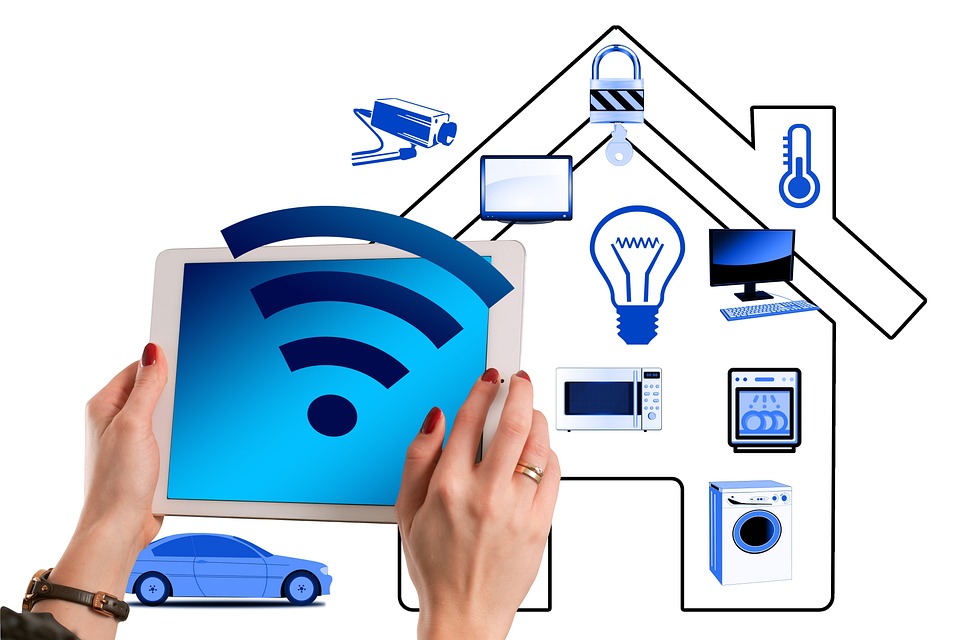
A Smart Home is a home equipped with devices that can be controlled remotely or automatically, often using the internet. Think of it as a house where lights, thermostats, appliances, and security systems can "talk" to you and each other, making your life more convenient and efficient.
It’s relevant today because it offers potential for:
- Increased comfort and convenience: Automate tasks and control your home from anywhere.
- Improved energy efficiency: Optimize energy usage and reduce bills.
- Enhanced security: Monitor your home and receive alerts for potential issues.
- Support for aging in place: Provides assistive technologies for elderly or disabled individuals.
Essentially, smart home technology aims to make our homes more responsive to our needs, providing a more comfortable, secure, and efficient living environment.
Core Features and How It Works

(Image: An artist’s rendering of a futuristic smart home.)
Home automation, once a futuristic fantasy, is now a mainstream reality. We’ve moved beyond simple remote-controlled lights to intricate systems that manage everything from security and energy consumption to entertainment and even cooking. But where is this rapidly evolving field headed? Let’s explore some of the key trends shaping the future of smart homes.
Enhanced Artificial Intelligence (AI) and Machine Learning (ML)
One of the most significant drivers of future smart home innovation is the increasing sophistication of AI and ML. Expect to see:
- Proactive Automation: Moving beyond scheduled tasks to truly anticipatory systems. AI will learn your routines and preferences, automatically adjusting settings like temperature, lighting, and music based on your predicted needs.
- Improved Voice Control: Natural language processing will become even more advanced, allowing for more nuanced and complex commands. Expect more conversational interactions with your smart home.
- Personalized Recommendations: Your smart home will learn your entertainment preferences and suggest movies, music, and even recipes based on your taste.
- Predictive Maintenance: Smart appliances will be able to diagnose potential problems and alert you to needed repairs before they become major issues.
The Rise of Interoperability and Open Standards
Currently, many smart home devices operate within walled gardens, requiring specific hubs and apps. The future points towards greater interoperability:
- Matter Protocol: The emergence of Matter, a unified connectivity standard backed by major tech companies, promises to simplify device setup and improve communication across different platforms.
- Open APIs: More open Application Programming Interfaces (APIs) will allow developers to create integrations and expand the functionality of existing smart home ecosystems.
- Cross-Platform Compatibility: Users will be able to seamlessly control devices from different brands using a single app or voice assistant.
Focus on Energy Efficiency and Sustainability
With growing concerns about climate change, energy efficiency is becoming a major priority for smart home technology:
- Smart Energy Management: AI-powered systems will optimize energy consumption by learning your usage patterns and automatically adjusting thermostat settings, turning off lights in unused rooms, and managing appliance power usage.
- Integration with Renewable Energy: Smart homes will be able to seamlessly integrate with solar panels and other renewable energy sources, storing excess energy and optimizing usage based on grid conditions.
- Water Conservation: Smart irrigation systems will monitor weather conditions and soil moisture levels to prevent overwatering, saving water and reducing utility bills.
Enhanced Security and Privacy
As our homes become increasingly connected, security and privacy are paramount:
- Advanced Threat Detection: AI-powered security systems will be able to differentiate between normal activity and suspicious behavior, minimizing false alarms and improving response times.
- Biometric Authentication: Facial recognition, fingerprint scanning, and voice authentication will become more common for secure access control.
- Privacy-Focused Design: Manufacturers will be prioritizing data encryption, local data processing, and user control over data collection to address privacy concerns.
The Smart Home as a Healthcare Hub
Smart home technology is increasingly being used to monitor health and provide remote care:
- Remote Patient Monitoring: Wearable sensors and connected devices will track vital signs, medication adherence, and activity levels, allowing healthcare providers to monitor patients remotely and intervene early if necessary.
- Fall Detection and Prevention: Sensors can detect falls and automatically alert emergency services, improving safety for elderly or disabled individuals.
- Personalized Wellness Programs: Smart home systems can provide personalized recommendations for exercise, nutrition, and sleep based on individual health data.
Conclusion
The future of home automation is bright. As AI, interoperability, and a focus on sustainability and security drive innovation, smart homes will become even more intelligent, personalized, and integrated into our lives. From enhancing our comfort and convenience to improving our health and well-being, the potential of smart home technology is vast and continues to expand.
Top Benefits and Practical Applications
Smart Home: Advantages and Real-World Uses
Smart Home technology, utilizing interconnected devices and automation, offers a range of advantages across different aspects of life. It provides value by streamlining tasks, increasing efficiency, enhancing security, and improving overall convenience.
I. Advantages of Smart Home Technology:
- Enhanced Security:
- 24/7 Monitoring: Smart security systems with connected cameras, motion sensors, and door/window sensors provide continuous surveillance, alerting homeowners and authorities to potential threats in real-time.
- Remote Access and Control: Allows users to remotely lock/unlock doors, view security footage, and even disarm the alarm system from anywhere with an internet connection, offering peace of mind and control.
- Deterrence: Visible smart security systems often act as a deterrent to burglars, reducing the likelihood of a break-in.
- Increased Energy Efficiency:
- Smart Thermostats: Learn user preferences and automatically adjust temperature based on occupancy, weather forecasts, and time of day, optimizing energy consumption and reducing heating/cooling costs.
- Smart Lighting: Automates lighting based on ambient light levels, occupancy, or pre-set schedules, minimizing energy waste and lowering electricity bills.
- Appliance Control: Smart plugs and appliances allow users to remotely monitor and control energy consumption, identifying and reducing phantom energy loads.
- Improved Convenience and Comfort:
- Automation: Automates routine tasks like turning on lights, adjusting temperature, watering the lawn, and even brewing coffee, freeing up time and effort.
- Voice Control: Integration with voice assistants like Amazon Alexa or Google Assistant enables hands-free control of smart home devices, simplifying everyday tasks.
- Personalized Experiences: Smart home systems can learn user preferences and automatically adjust settings to create a customized and comfortable environment.
- Accessibility and Support for Independent Living:
- Remote Monitoring: Allows caregivers to remotely monitor elderly or disabled individuals, ensuring their safety and well-being.
- Automated Assistance: Automated tasks and voice control can simplify daily living for those with mobility limitations or cognitive impairments.
- Emergency Alerts: Smart home systems can automatically alert emergency services in case of falls or other emergencies.
- Cost Savings:
- Reduced Energy Consumption: As described above, smart home technology leads to lower utility bills, ultimately saving money.
- Improved Home Maintenance: Early detection of potential problems, such as water leaks, can prevent costly repairs.
- Increased Home Value: A well-integrated smart home system can increase the resale value of a property.
II. Real-World Uses of Smart Home Technology:
- For Homeowners (Individuals & Families):
- Security: Protecting loved ones and belongings through proactive monitoring and deterrence.
- Convenience: Simplifying daily routines, such as waking up to automated lighting and temperature adjustments.
- Entertainment: Creating immersive entertainment experiences through smart TVs, sound systems, and lighting controlled by voice or app.
- Energy Savings: Lowering utility bills by optimizing energy consumption.
- Peace of Mind: Knowing that the home is secure and energy-efficient even when away.
- For Businesses (Hospitality, Retail, Offices):
- Hospitality (Hotels, Airbnb): Enhanced guest experience through personalized room settings, automated check-in/check-out, and energy efficiency. This leads to higher guest satisfaction and potentially higher revenue.
- Retail: Smart lighting and temperature control can enhance the shopping experience and reduce energy costs. Security systems can protect inventory and employees.
- Offices: Smart lighting and HVAC systems can improve employee comfort and productivity while reducing energy consumption. Occupancy sensors can trigger lighting and HVAC only when needed. Smart security systems can protect sensitive data and assets.
- For Healthcare Providers (Assisted Living Facilities, Home Healthcare):
- Remote Patient Monitoring: Enables caregivers to remotely monitor patients’ health and well-being, improving care quality and reducing hospital readmissions. Smart sensors can track vital signs and detect falls.
- Medication Management: Smart medication dispensers can help patients adhere to their medication schedules, improving treatment outcomes.
- Enhanced Safety: Smart home systems can help prevent accidents and injuries in the home. For example, smart stoves can automatically shut off if left unattended.
- For Real Estate Developers:
- Differentiation: Incorporating smart home technology into new construction can differentiate properties and attract buyers.
- Increased Property Value: Smart homes are increasingly desirable, potentially leading to higher sale prices.
- Sustainable Development: Integrating energy-efficient smart home technologies can contribute to green building certifications and appeal to environmentally conscious buyers.
In conclusion, Smart Home technology offers a diverse range of advantages and is becoming increasingly integrated into various aspects of our lives. Its ability to enhance security, improve energy efficiency, increase convenience, and provide accessibility makes it a valuable asset for individuals, businesses, and healthcare providers alike. As the technology continues to evolve, its potential applications and benefits will continue to expand.
The Future of Smart Home: Trends and Predictions
The Future is Now: Exciting Trends and Technological Advancements Shaping the Smart Home
The smart home is no longer a futuristic fantasy; it’s rapidly becoming a reality for many. But the real excitement lies in the future of smart home technology. We’re moving beyond simple remote control of lights and thermostats towards truly intelligent, proactive, and personalized environments. Here’s a look at the key emerging trends and technological advancements shaping the smart home’s evolution:
1. Enhanced AI and Predictive Automation:
- The Trend: Moving beyond simple if-this-then-that automation to AI-powered learning and prediction. Imagine your home learning your habits and proactively adjusting settings before you even think about them.
- Technological Advancements:
- Sophisticated AI algorithms: More advanced machine learning models will analyze user data from various sensors to understand preferences, routines, and even predict needs.
- Edge Computing: Processing data locally within the home, instead of relying solely on the cloud, leading to faster response times, improved privacy, and reduced latency. This is crucial for real-time decision making.
- Natural Language Understanding (NLU): More nuanced and context-aware voice control. We’ll be able to have more complex conversations with our homes, expressing intentions rather than just commands.
- Exciting Developments:
- Personalized energy management: The home optimizes energy consumption based on predicted occupancy, weather patterns, and individual user preferences, leading to significant cost savings.
- Proactive security systems: Analyzing data from security cameras, door/window sensors, and environmental monitors to detect anomalies and proactively alert homeowners to potential threats before they escalate.
- Health and wellness integration: Monitoring vital signs, sleep patterns, and activity levels to provide personalized recommendations for diet, exercise, and stress management.
2. Seamless Interoperability and Open Standards:
- The Trend: Moving away from proprietary ecosystems where devices from different manufacturers can’t easily communicate with each other.
- Technological Advancements:
- Matter Protocol: A unifying connectivity standard backed by major tech companies like Apple, Google, Amazon, and Samsung. Matter aims to create a truly interoperable smart home where devices can work together regardless of brand.
- Open Source Platforms: The rise of open source platforms like Home Assistant, allowing users to customize and integrate devices from different ecosystems, creating a truly personalized smart home experience.
- API Integration: Manufacturers increasingly providing open APIs, allowing developers to create innovative integrations and applications that extend the functionality of smart home devices.
- Exciting Developments:
- Effortless setup and device discovery: Matter promises a simpler and more unified setup process, eliminating the frustration of connecting devices from different brands.
- Increased device choice and flexibility: Users will be able to choose the best devices for their needs, regardless of manufacturer, knowing that they will work seamlessly together.
- Innovation through customization: Open source platforms will empower developers and hobbyists to create unique and customized smart home experiences, pushing the boundaries of what’s possible.
3. Enhanced Security and Privacy:
- The Trend: Addressing growing concerns about data security and privacy in the smart home environment.
- Technological Advancements:
- End-to-end encryption: Protecting data transmitted between devices and the cloud, preventing unauthorized access.
- Federated Learning: Training AI models locally on each device, without sharing sensitive user data with a central server.
- Biometric authentication: Using fingerprint scanning, facial recognition, and voice recognition to enhance security and control access to smart home devices.
- Blockchain-based security: Leveraging blockchain technology to create tamper-proof logs of device activity and ensure data integrity.
- Exciting Developments:
- More secure and private smart home environments: Users can have peace of mind knowing that their data is protected from unauthorized access and misuse.
- Enhanced identity management: Biometric authentication will provide a more secure and convenient way to control access to smart home devices and services.
- Increased transparency and control over data usage: Users will have more control over how their data is collected, used, and shared.
4. Beyond Control: Context-Aware and Assistive Technologies:
- The Trend: Smart homes evolving from simply being controlled to being truly context-aware and assistive, anticipating and responding to user needs in a seamless and unobtrusive way.
- Technological Advancements:
- Advanced Sensor Fusion: Combining data from multiple sensors (cameras, microphones, environmental sensors, wearable devices) to create a more complete picture of the user’s environment and activities.
- Spatial Computing: Integrating augmented reality (AR) and virtual reality (VR) technologies into the smart home, creating immersive and interactive experiences.
- Robotics Integration: Integrating robots into the smart home ecosystem to perform tasks such as cleaning, cooking, and security patrols.
- Exciting Developments:
- Assistive living for the elderly and disabled: Smart homes can provide assistance with daily tasks, monitor health and safety, and improve quality of life for vulnerable individuals. Fall detection, medication reminders, and remote monitoring by caregivers become more effective.
- Personalized entertainment and productivity experiences: Smart homes can adapt to user preferences and activities, creating personalized entertainment and productivity experiences. Imagine a home that automatically adjusts lighting, temperature, and music to create the perfect ambiance for relaxation or work.
- More intuitive and seamless user interfaces: Voice control, gesture recognition, and augmented reality interfaces will make it easier and more natural to interact with smart home devices.
5. Sustainability and Energy Efficiency:
- The Trend: Integrating smart home technology to reduce environmental impact and conserve resources.
- Technological Advancements:
- Smart Grids & Energy Management: Connecting smart home energy systems (solar panels, batteries, EV chargers) to the grid for optimized energy distribution and usage.
- Water Leak Detection & Conservation: Advanced sensors that can detect leaks early and notify homeowners, preventing water waste. Smart irrigation systems that adjust watering based on weather conditions.
- Smart Waste Management: Sensors in trash cans that can optimize pickup schedules and reduce waste sent to landfills.
- Exciting Developments:
- Net-Zero Energy Homes: Smart homes that generate as much energy as they consume, reducing reliance on fossil fuels.
- Automated Resource Optimization: AI-powered systems that continuously learn and optimize energy and water usage, leading to significant cost savings and environmental benefits.
- Data-Driven Sustainability Insights: Providing homeowners with detailed insights into their resource consumption, empowering them to make informed decisions and reduce their environmental footprint.
The Bottom Line:
The future of the smart home is bright. We’re on the cusp of a new era where our homes are not just connected, but truly intelligent, proactive, and personalized. By embracing these emerging trends and technological advancements, we can create smart homes that are more secure, efficient, sustainable, and ultimately, more enjoyable to live in. The reader should be excited about the possibilities, while remaining aware of the challenges in data privacy and security that need to be addressed as this technology evolves.
Conclusion: Key Takeaways
Please provide me with the article you want me to summarize and create a Smart Home value proposition for! I need the text of the article to be able to do that.
Once you provide the article, I will:
- Identify and summarize the most critical points. I’ll focus on the key arguments, findings, and implications presented in the article.
- Reinforce the main value proposition of Smart Home. Based on the article, I will craft a compelling statement that highlights the benefits of a smart home, such as convenience, security, energy efficiency, cost savings, and enhanced comfort. I’ll tailor it to resonate with the main points of the article.
- End with a strong, final thought or call to action. I’ll provide a concluding statement that leaves the reader with a clear understanding of the importance of smart home technology and encourages them to take the next step, whether that’s research, planning, or implementation.
Frequently Asked Questions (FAQs)
Okay, here are the answers to your questions, formatted as requested:
What is the main purpose of Smart Home?
To enhance comfort, convenience, security, and energy efficiency in a home environment through automation and remote control of appliances and systems. Ultimately, it aims to create a more responsive and user-friendly living space.
What are the main challenges associated with adopting Smart Home?
One of the biggest challenges is the initial cost of purchasing and installing the necessary smart devices and infrastructure, which can be a significant financial barrier for many households.
How does Smart Home compare to a traditional, non-automated home?
Smart Homes offer automation, remote control, and interconnected devices for enhanced convenience and efficiency, while traditional homes rely on manual operation and lack these integrated features.
Tags: #Future #Home #Automation #Whats #Smart #Homes