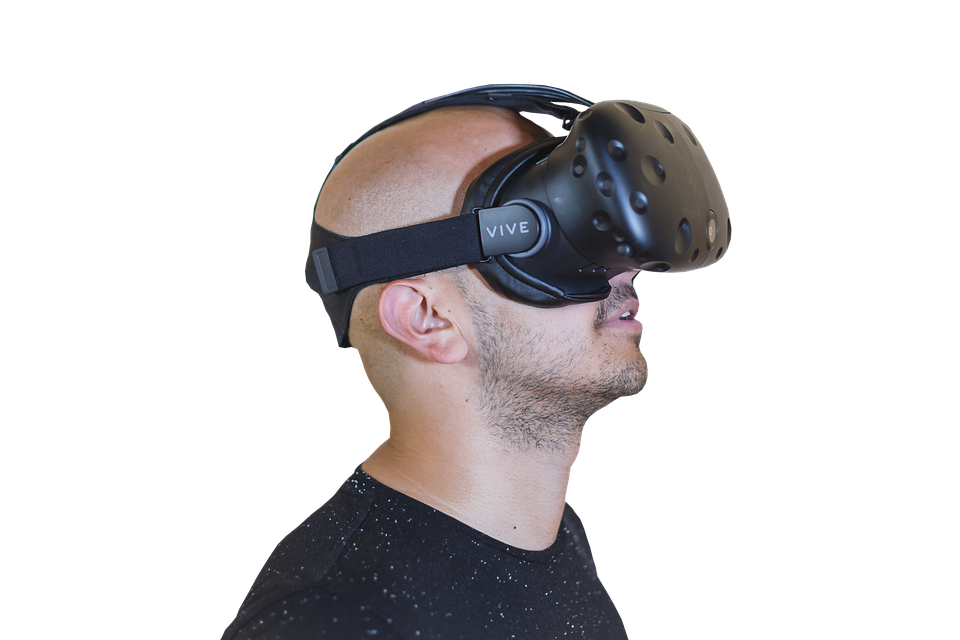


Wearable Technology for Chronic Disease Management: A New Era of Patient Care
Imagine a world where your clothes proactively monitor your health, alerting you to potential heart issues before you feel a single symptom. That future is rapidly becoming reality thanks to the burgeoning field of wearable devices. These increasingly sophisticated gadgets, ranging from smartwatches to biosensors embedded in fabrics, are poised to revolutionize healthcare, fitness, and beyond. Understanding the capabilities, limitations, and ethical considerations surrounding wearable devices is no longer a futuristic musing; it’s a critical necessity for individuals, healthcare professionals, and policymakers alike to navigate the transformative landscape that lies ahead.
What is Wearable Devices? A Clear Definition
Wearable Devices: In simple terms, these are small computers you can wear on your body, like a watch, glasses, or clothing. They can track information about you and your surroundings.
Why it’s relevant and important today: They’re becoming increasingly popular for tracking health & fitness, providing convenient communication, and even offering augmented reality experiences. This data can help individuals and healthcare providers make better decisions, improve productivity, and enhance entertainment, making them a significant part of our future.
Core Features and How It Works
Chronic diseases, such as diabetes, heart disease, and asthma, are a leading cause of death and disability worldwide. Managing these conditions effectively often requires continuous monitoring and personalized care. Wearable technology is rapidly transforming the healthcare landscape, offering innovative solutions for chronic disease management that empower patients and improve outcomes.

Image depicting various wearable devices. (Replace wearable_tech.jpg with an actual image)
The Rise of Wearable Technology in Healthcare
Wearable devices, ranging from smartwatches and fitness trackers to specialized medical sensors, are equipped with advanced capabilities to monitor vital signs, activity levels, sleep patterns, and other relevant health data. This data can be seamlessly transmitted to healthcare providers, allowing for real-time monitoring and informed decision-making.
Benefits of Wearable Technology for Chronic Disease Management
- Continuous Monitoring: Wearables provide a constant stream of data, enabling early detection of potential health problems and allowing for timely interventions.
- Personalized Insights: Data collected by wearables can be analyzed to provide personalized insights and recommendations tailored to individual patient needs.
- Improved Adherence to Treatment Plans: Reminders and notifications from wearables can help patients adhere to medication schedules, exercise routines, and dietary guidelines.
- Remote Patient Monitoring: Healthcare providers can remotely monitor patients’ conditions, reducing the need for frequent in-person visits and improving access to care.
- Empowerment and Engagement: Wearable technology empowers patients to take an active role in managing their health, leading to increased engagement and better outcomes.
Specific Applications of Wearable Technology
Diabetes Management
Continuous glucose monitors (CGMs) provide real-time glucose readings, enabling patients to better manage their blood sugar levels. Smart insulin pens can track insulin dosages and provide reminders. Fitness trackers can encourage physical activity, which is crucial for diabetes management.
Heart Disease Management
Wearable ECG monitors can detect arrhythmias and other heart abnormalities, allowing for early diagnosis and treatment. Activity trackers can monitor physical activity levels and promote cardiovascular health. Blood pressure monitors can track blood pressure fluctuations and help manage hypertension.
Asthma Management
Wearable sensors can detect environmental triggers that may exacerbate asthma symptoms, such as pollen and air pollution. Smart inhalers can track medication usage and provide reminders. Activity trackers can monitor activity levels and identify potential triggers for asthma attacks.
Challenges and Considerations
While wearable technology offers significant potential, there are also challenges to consider:
- Data Security and Privacy: Protecting patient data is paramount. Robust security measures are essential to prevent unauthorized access and breaches.
- Accuracy and Reliability: The accuracy and reliability of wearable devices can vary. It is important to use devices that have been validated for clinical use.
- Integration with Existing Healthcare Systems: Seamless integration with electronic health records (EHRs) is crucial for efficient data sharing and communication between patients and providers.
- Cost and Accessibility: The cost of wearable devices can be a barrier for some patients. Efforts are needed to improve affordability and accessibility.
- Patient Education and Training: Patients need to be educated on how to use wearable devices effectively and interpret the data they collect.
Addressing these challenges will be crucial to realizing the full potential of wearable technology in chronic disease management.
Furthermore, it is vital to consider the ethical implications of using wearable technology in healthcare. Algorithmic bias, data ownership, and equitable access to technology are key areas that require careful attention.
Wearable technology is poised to revolutionize chronic disease management, offering a powerful tool for improving patient care and outcomes. By embracing these advancements and addressing the associated challenges, we can usher in a new era of personalized, proactive, and patient-centric healthcare.
Top Benefits and Practical Applications
Wearable Devices: Advantages and Real-World Uses
Wearable devices, encompassing smartwatches, fitness trackers, smart glasses, and more, offer a range of advantages that translate into diverse real-world applications for individuals, businesses, and healthcare professionals.
I. Advantages of Wearable Devices:
A. Continuous Monitoring and Data Collection:
- How it provides value: Wearables passively and continuously collect data on various parameters like heart rate, sleep patterns, activity levels, blood glucose (with specialized devices), and even ambient environmental conditions. This persistent data stream provides a more comprehensive picture than periodic manual measurements.
- Benefit: Allows for early detection of anomalies, personalized insights into individual health and behavior, and informed decision-making.
B. Enhanced Convenience and Accessibility:
- How it provides value: Wearables offer hands-free access to information, communication, and functionality. Notifications, reminders, and even simple tasks can be managed directly from the wrist or eyewear.
- Benefit: Improves efficiency, reduces reliance on smartphones, and allows users to stay connected and informed without disrupting their activities.
C. Personalized Feedback and Gamification:
- How it provides value: Many wearable devices utilize algorithms to analyze collected data and provide personalized feedback, encouragement, and motivation. Gamification elements, such as points, badges, and leaderboards, can further incentivize users to achieve goals.
- Benefit: Promotes positive behavior change, adherence to health and fitness plans, and sustained engagement with the device.
- D. Location Tracking and Security:
- How it provides value: Wearables equipped with GPS can track location, providing valuable information for navigation, safety monitoring (e.g., elderly care), and asset tracking.
- Benefit: Enhances personal safety, enables efficient logistics, and allows for geofencing and emergency alerts.
II. Real-World Uses of Wearable Devices:
A. Health and Fitness:
- Individual Use:
- Scenario: Fitness tracking for step counting, calorie tracking, sleep analysis, and workout monitoring.
- Value: Empowers individuals to understand their physical activity levels, sleep patterns, and dietary habits, facilitating informed decisions about their health and fitness goals.
- Healthcare Professional Use:
- Scenario: Remote patient monitoring of chronic conditions like diabetes, hypertension, and heart disease.
- Value: Enables proactive intervention, reduces hospital readmissions, and improves patient outcomes by providing real-time data to healthcare providers.
- Research Use:
- Scenario: Clinical trials and research studies to collect real-world data on patient behavior and response to treatment.
- Value: Provides richer and more ecologically valid data compared to traditional lab-based studies, leading to more accurate and insightful research findings.
- Individual Use:
B. Business and Productivity:
- Employee Use:
- Scenario: Providing workers in hazardous environments (e.g., construction, mining) with real-time safety alerts, communication capabilities, and location tracking.
- Value: Enhances worker safety, improves communication and coordination, and increases operational efficiency.
- Retail Use:
- Scenario: Utilizing wearable devices to track employee movements, manage inventory, and provide personalized customer service.
- Value: Optimizes workflow, reduces operational costs, and enhances customer satisfaction.
- Logistics Use:
- Scenario: Using smart glasses or wrist-mounted devices to provide warehouse workers with hands-free access to information and instructions.
- Value: Improves picking accuracy, reduces errors, and accelerates order fulfillment.
- Employee Use:
C. Entertainment and Communication:
- Individual Use:
- Scenario: Using smartwatches to make calls, send messages, control music playback, and access notifications.
- Value: Provides convenient and hands-free access to communication and entertainment features.
- Gaming Use:
- Individual Use:
- D. Safety and Security:
- Emergency Services Use:
- Scenario: Equipping first responders with wearable devices that provide real-time information on victims, hazardous materials, and evacuation routes.
- Value: Improves situational awareness, enhances response effectiveness, and increases the safety of first responders.
- Elderly Care Use:
- Emergency Services Use:
In conclusion, wearable devices offer significant advantages in terms of data collection, convenience, personalization, and location tracking. These advantages translate into a wide range of real-world applications across health, business, entertainment, and safety, highlighting their potential to improve individual well-being, operational efficiency, and overall quality of life.
The Future of Wearable Devices: Trends and Predictions
The Future is On Your Sleeve (and Everywhere Else): Emerging Trends in Wearable Devices
Wearable devices are no longer just fitness trackers. They’re evolving rapidly, fueled by advancements in materials science, artificial intelligence, and connectivity. Here’s a glimpse into the exciting future of wearables, focusing on credible trends and potential breakthroughs:
1. Beyond Fitness: Holistic Health and Wellness Monitoring:
- Trend: Wearables are moving beyond step counting and heart rate to offer a more comprehensive picture of health. This includes sleep analysis, stress monitoring, blood pressure measurement, and even continuous glucose monitoring (CGM) for diabetes management.
- Technological Advancement:
- Advanced Sensors: We’ll see smaller, more power-efficient, and more accurate sensors capable of detecting a wider range of biomarkers through non-invasive methods like sweat analysis, optical sensing (like near-infrared spectroscopy), and even sound analysis (like cough detection).
- AI-Powered Personalization: Machine learning algorithms will personalize health insights based on individual data, predicting potential health risks and offering tailored recommendations for diet, exercise, and mental well-being.
- Expected Evolution: Wearables will become proactive health guardians, alerting users and healthcare providers to potential issues before they escalate. Imagine a smart patch that detects a cardiac arrhythmia and automatically contacts emergency services.
2. Enhanced Immersive Experiences and Extended Reality (XR) Integration:
- Trend: Wearables are becoming increasingly integrated with augmented reality (AR) and virtual reality (VR) technologies, blurring the lines between the physical and digital worlds.
- Technological Advancement:
- Smart Glasses with Improved Optics and Battery Life: Expect sleeker designs, brighter displays, wider fields of view, and longer battery life, making AR glasses more practical for everyday use.
- Haptic Feedback Systems: Advanced haptic gloves and suits will provide realistic tactile sensations, enhancing immersion in VR environments for gaming, training, and social interaction.
- Brain-Computer Interfaces (BCIs): While still nascent, BCIs are showing promise for controlling AR/VR applications with thoughts, opening up new possibilities for hands-free interaction and accessibility.
- Expected Evolution: Wearables will transform how we interact with information and each other. Imagine surgeons using AR glasses to overlay patient data during surgery, or remote teams collaborating in a shared virtual workspace using haptic-enabled gloves.
3. Smart Fabrics and Embedded Technology:
- Trend: Moving beyond wristbands and glasses, technology is being woven directly into clothing and accessories, creating seamless and discreet wearable experiences.
- Technological Advancement:
- E-Textiles: Conductive threads, flexible sensors, and microelectronics are being integrated into fabrics to create smart garments that can monitor vital signs, track movement, and even adjust temperature.
- Printed Electronics: Inkjet printing techniques are enabling the mass production of flexible and low-cost electronic components directly onto fabrics, paving the way for personalized and customizable wearables.
- Self-Powered Wearables: Harvesting energy from body heat, movement, and sunlight will power wearable devices, eliminating the need for batteries and making them more sustainable.
- Expected Evolution: Imagine a smart shirt that monitors your heart rate and hydration levels during exercise, or a heated jacket that automatically adjusts to the weather. These integrated wearables will become an invisible part of our daily lives.
4. Personal Safety and Security:
- Trend: Wearables are being designed to enhance personal safety and security, particularly for vulnerable populations.
- Technological Advancement:
- Fall Detection and Emergency SOS: Smartwatches and pendants can automatically detect falls and alert emergency services or designated contacts.
- Location Tracking and Geofencing: Wearables can track the location of children, elderly individuals, or lone workers, providing peace of mind and enabling rapid response in emergencies.
- Biometric Authentication: Wearables can use fingerprints, facial recognition, or even voice analysis to verify identity and prevent unauthorized access to devices and accounts.
- Expected Evolution: Wearables will become personal safety nets, providing assistance in times of crisis and protecting individuals from harm. Imagine a smart bracelet that alerts authorities if a child wanders outside a designated area.
5. Sustainable and Ethical Wearables:
- Trend: Consumers are increasingly demanding environmentally friendly and ethically sourced products, including wearables.
- Technological Advancement:
- Biodegradable and Recyclable Materials: Manufacturers are exploring alternative materials like plant-based plastics, recycled metals, and biodegradable textiles to reduce the environmental impact of wearables.
- Modular Designs and Repairability: Wearables are being designed with replaceable components and standardized interfaces, extending their lifespan and reducing electronic waste.
- Transparent Supply Chains: Companies are committed to ensuring that the production of wearables adheres to ethical labor standards and minimizes environmental pollution.
- Expected Evolution: Sustainable and ethical considerations will become a central part of the wearable device design process, leading to more responsible and environmentally conscious products.
Key Takeaways and Considerations:
- Data Privacy and Security: As wearables collect more personal data, ensuring user privacy and security becomes paramount. Strong encryption, data anonymization, and transparent data usage policies are essential.
- Regulation and Standardization: The wearable device industry needs clear regulations and standards to ensure product safety, accuracy, and interoperability.
- Accessibility and Inclusivity: Wearables should be designed to be accessible to individuals with disabilities and cater to diverse cultural needs.
The future of wearable devices is brimming with possibilities. By embracing these emerging trends and prioritizing ethical considerations, we can unlock the full potential of wearables to improve our health, enhance our experiences, and connect us to the world in new and exciting ways. It’s a future where technology seamlessly integrates into our lives, empowering us to live healthier, safer, and more connected lives.
Conclusion: Key Takeaways
Please provide me with the article you want me to summarize. I need the content of the article to be able to identify the most critical points, understand the value proposition of wearable devices as presented in the article, and craft a strong final thought or call-to-action.
Once you provide the article, I will be happy to help!
Frequently Asked Questions (FAQs)
Okay, here are some answers to your questions about Wearable Devices, formatted as requested:
What is the main purpose of Wearable Devices?
Wearable devices primarily aim to collect and monitor personal data (such as health metrics or location) and/or provide convenient, hands-free access to information and communication. They offer personalized insights and enhanced connectivity through integration with mobile devices.
What are the main challenges associated with adopting Wearable Devices?
A significant challenge is concerns about data privacy and security, as wearable devices collect sensitive personal information that users may worry could be compromised or misused.
How does Wearable Devices compare to Smartphones?
Wearable devices, unlike smartphones, are designed to be worn, enabling continuous monitoring and hands-free interaction, while smartphones offer a wider range of functionalities and are primarily used as mobile communication and entertainment hubs.
Tags: #Wearable #Technology #Chronic #Disease #Management #Era #Patient #Care