

Wireless Wonders: The Best Portable Speakers for On-the-Go Listening
Imagine a world riddled with misinformation, where the very fabric of truth is constantly challenged and manipulated. This isn’t a dystopian fantasy; it’s the reality we face today. The digital age has amplified the spread of false narratives, making it increasingly difficult to discern fact from fiction. In a time when the stakes are higher than ever – influencing elections, jeopardizing public health, and fueling social unrest – understanding how to combat misinformation is paramount. That’s why we turn to the insights of Dr. Anya Sharma, a leading cognitive psychologist specializing in belief formation, and Marcus Chen, a veteran investigative journalist dedicated to fact-checking and digital literacy, to navigate this complex landscape and uncover actionable strategies for reclaiming truth in a world drowning in disinformation.
What is Speakers? A Clear Definition
Definition: Speakers are devices that convert electrical signals into sound that we can hear.
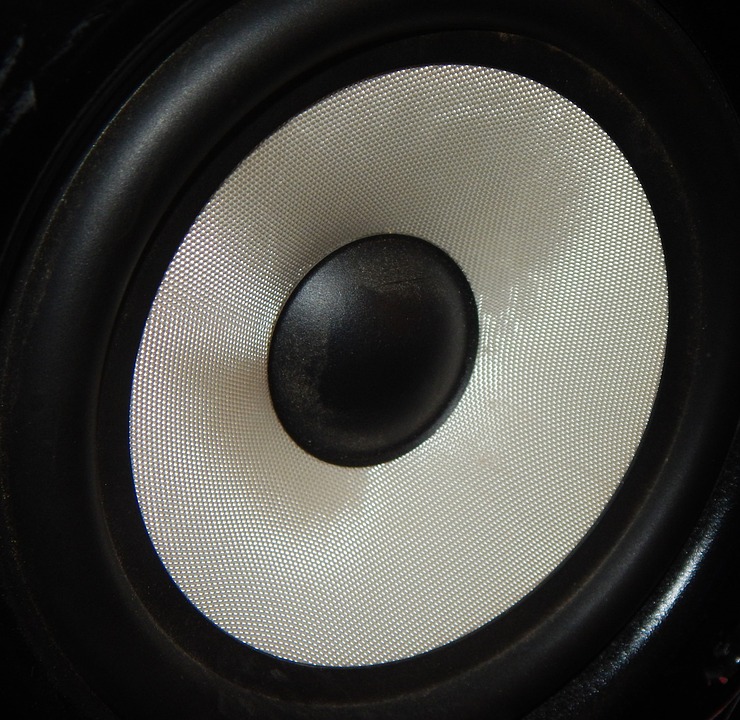
Core Concept: They essentially take electrical energy and vibrate a cone (or other surface) to create sound waves in the air.
Relevance and Importance Today: Speakers are everywhere! We use them for communication (phones, video calls), entertainment (music, movies, gaming), and information (voice assistants, public address systems). In our increasingly digital world, speakers are a crucial interface between technology and our ears, making them essential for how we interact with and experience the world around us.
Core Features and How It Works
In today’s fast-paced world, music is more accessible than ever. Whether you’re hiking in the mountains, relaxing on the beach, or just hanging out in your backyard, a portable speaker lets you bring your favorite tunes with you. But with so many options available, choosing the right one can be overwhelming. This article explores some of the best portable speakers on the market, considering factors like sound quality, battery life, durability, and price.

(Image of a typical portable speaker – Replace “placeholder-speaker.jpg” with the actual URL of an image)
What to Consider When Choosing a Portable Speaker
- Sound Quality: Look for speakers that offer clear highs, balanced mids, and a decent bass response.
- Battery Life: Consider how long you’ll typically use the speaker per session and choose one with sufficient battery life.
- Durability: If you plan on using the speaker outdoors, look for models with water resistance and shockproof features.
- Portability: Size and weight matter! Choose a speaker that’s easy to carry around.
- Connectivity: Bluetooth is standard, but check for other options like AUX input and USB charging ports.
- Price: Set a budget and stick to it. There are great speakers available at various price points.
Top Portable Speaker Recommendations
Speaker Model A (e.g., JBL Flip 6)

(Image of Speaker Model A – Replace “placeholder-speaker-a.jpg” with the actual URL of an image)
The JBL Flip 6 is a popular choice due to its excellent balance of sound quality, portability, and durability. It’s waterproof, dustproof, and offers surprisingly good bass for its size. Expect around 12 hours of playtime on a single charge.
- Pros: Great sound, durable design, waterproof.
- Cons: Can be a bit pricey.
Speaker Model B (e.g., Anker Soundcore 3)

(Image of Speaker Model B – Replace “placeholder-speaker-b.jpg” with the actual URL of an image)
The Anker Soundcore 3 is an excellent budget-friendly option. It delivers impressive sound quality for its price and boasts a long battery life of up to 24 hours. It’s also waterproof and features customizable EQ settings.
- Pros: Affordable, long battery life, good sound for the price.
- Cons: Bass could be stronger.
Speaker Model C (e.g., Bose SoundLink Flex)

(Image of Speaker Model C – Replace “placeholder-speaker-c.jpg” with the actual URL of an image)
For those prioritizing sound quality, the Bose SoundLink Flex is a top contender. It offers exceptional clarity and balanced audio. It’s also waterproof, dustproof, and can be positioned in multiple orientations thanks to its fabric loop.
- Pros: Superior sound quality, durable design, versatile positioning.
- Cons: More expensive than other options.
Conclusion
Choosing the right portable speaker depends on your individual needs and priorities. Consider your budget, intended use, and desired features to find the perfect wireless companion for your on-the-go listening adventures. Do some research, read reviews, and don’t be afraid to test out speakers in person if possible. Happy listening!
Top Benefits and Practical Applications
Speakers: Advantages and Real-World Uses
Speakers, devices designed to convert electrical signals into audible sound waves, offer a wide range of advantages and are integral to countless aspects of modern life. They provide value for businesses, individuals, and entire communities in various ways.
I. Main Advantages of Speakers:
A. Sound Amplification and Clarity:
- How it provides value: Speakers boost the volume of audio signals, making them audible to larger audiences or over ambient noise. They also contribute to sound clarity, reducing distortion and enhancing the listening experience.
- Real-world use: Essential for public address systems, concerts, home theaters, and even hearing aids. Amplification allows communication in noisy environments like factories or construction sites. Clear sound ensures accurate information dissemination during announcements or emergency broadcasts.
B. Communication and Entertainment:
- How it provides value: Speakers facilitate communication by enabling audio conversations through devices like telephones and computers. They also provide entertainment through music playback, podcasts, audiobooks, and movie soundtracks.
- Real-world use: Used in conference calls, video games, car stereos, streaming services, and home entertainment systems. Music provides relaxation, motivation, and cultural enrichment, while audiobooks offer educational and storytelling experiences.
C. Accessibility and Inclusivity:
- How it provides value: Speakers can be incorporated into assistive technologies that improve accessibility for individuals with disabilities. Text-to-speech applications and screen readers rely on speakers to deliver information verbally.
- Real-world use: Used in screen readers for visually impaired individuals, voice assistants for elderly people, and public transportation announcements for people with hearing difficulties.
D. Information Dissemination and Education:
- How it provides value: Speakers are used to broadcast information quickly and efficiently in various settings. They are also employed in educational environments to enhance learning through audio-visual aids.
- Real-world use: Speakers are used in emergency alert systems, public service announcements, lecture halls, and online courses. Students can benefit from interactive audio lessons, language learning software, and multimedia presentations.
- E. Safety and Security:
- How it provides value: Speakers play a vital role in safety and security systems by providing audible warnings and alerts. They can also be used to deter criminal activity through announcements and security cameras with audio capabilities.
- Real-world use: Fire alarms, burglar alarms, security camera systems with two-way audio, and emergency evacuation announcements all rely on speakers to ensure the safety of people and property.
II. Real-World Uses of Speakers:
A. Businesses:
- Value: Improves communication with employees and customers, enhances customer experience, and promotes products/services.
- Examples: Public address systems in retail stores, background music systems in restaurants, conference call equipment, in-store advertising, drive-thru order systems.
B. Individuals:
- Value: Provides entertainment, facilitates communication, improves accessibility, and enhances productivity.
- Examples: Home theater systems, portable Bluetooth speakers, headphones, computer speakers, smart home devices with voice assistants, car stereos, hearing aids.
C. Education:
D. Entertainment Industry:
- Value: Delivers high-quality audio experiences for concerts, movies, and theatrical performances.
- Examples: Concert sound systems, movie theater surround sound systems, stage monitors, studio recording equipment, home theaters.
- E. Public Services:
- Value: Improves public safety, provides emergency alerts, and facilitates communication in public spaces.
- Examples: Emergency alert systems, public transportation announcements, outdoor concert sound systems, public parks with background music, community event announcement systems.
In conclusion, speakers offer a diverse range of benefits and are essential tools for communication, entertainment, education, safety, and accessibility in various sectors of society. Their ability to amplify, clarify, and deliver audio information makes them indispensable in both personal and professional settings.
The Future of Speakers: Trends and Predictions
The Future is Talking: Emerging Trends and Advancements in Speakers
Speakers, seemingly a mature technology, are poised for a fascinating evolution driven by advancements in materials science, AI, and the evolving ways we consume audio. Here’s a look at the exciting trends and potential technological leaps that will shape the future of sound:
1. Immersive Audio & Spatial Soundscapes:
- Trend: Beyond stereo and even surround sound, the future is about recreating realistic 3D soundscapes. Technologies like Dolby Atmos, DTS:X, and Auro-3D are gaining traction in home theaters and headphones, creating a more immersive and engaging listening experience.
- Advancement: Beamforming and wavefield synthesis will become more sophisticated. Instead of radiating sound omnidirectionally, speakers will focus sound waves precisely, creating localized "sound objects" within a room. Imagine a virtual rainstorm above you, or hearing a character’s voice originating directly from their onscreen location.
- Excitement Factor: Imagine truly feeling enveloped by the music or movie. Imagine games where you can pinpoint an enemy’s location by the sound of their footsteps alone. This level of immersion is a game-changer for entertainment and productivity.
2. AI-Powered Personalization & Adaptation:
- Trend: Smart speakers like Amazon Echo and Google Home are just the beginning. AI is moving beyond voice assistants and into the core functionality of speakers, adapting the sound to your preferences and environment.
- Advancement:
- AI-driven Acoustic Room Correction: Speakers will analyze the acoustics of your room (size, shape, materials) and automatically adjust the EQ to deliver optimal sound quality, regardless of placement.
- Personalized Sound Profiles: AI could learn your hearing profile, preferences, and even adapt the sound based on your current mood or activity. Imagine speakers that automatically boost certain frequencies when you’re tired, or create a more energetic soundscape during workouts.
- AI-powered Noise Cancellation and Isolation: Speakers will become more adept at filtering out unwanted noise, both in your environment and in the audio signal itself. Imagine speakers that can isolate a single voice in a noisy room or remove unwanted artifacts from old recordings.
- Excitement Factor: Sound tailored precisely to your ears and your environment, without manual adjustments. This will drastically improve sound quality and listening enjoyment for everyone.
3. Material Science & Novel Speaker Designs:
- Trend: The search for lighter, stronger, and more efficient speaker materials is ongoing, leading to innovative designs that challenge traditional concepts.
- Advancement:
- Graphene & Carbon Nanotubes: These incredibly strong and lightweight materials can create diaphragms that are more responsive and less prone to distortion, resulting in clearer and more accurate sound.
- Meta-materials: Engineered materials with properties not found in nature, enabling new ways to manipulate sound waves. Think speakers that can focus sound in specific directions or even create "silent zones" in a room.
- Transparent/Invisible Speakers: Imagine a speaker embedded in a window that is virtually invisible. Technologies like exciter technology and transparent conductive films are making this a realistic possibility.
- Excitement Factor: Speakers that are more efficient, more accurate, and more visually appealing. Imagine a minimalist living room where sound seems to emanate from thin air.
4. Integration & Ubiquitous Audio:
- Trend: Speakers are becoming integrated into everyday objects and environments, blurring the lines between traditional audio devices and our surroundings.
- Advancement:
- Smart Furniture: Speakers embedded in chairs, tables, and even walls, creating a seamless and unobtrusive audio experience.
- Automotive Audio Reimagined: Car audio systems will leverage advanced processing and speaker placement to create immersive 3D soundscapes tailored to each passenger.
- Wearable Audio: Beyond headphones, we’ll see speakers integrated into clothing, accessories, and even our bodies. Think of haptic feedback integrated into clothing for a truly immersive VR experience.
- Excitement Factor: Audio becoming a natural and integrated part of our lives. Imagine a world where music follows you from room to room, adapting to your activities and mood.
5. Powering the Future: Efficiency & Sustainability
- Trend: As we become more conscious of energy consumption, speaker manufacturers are focusing on efficiency and sustainability.
- Advancement:
- Class-D Amplification: These highly efficient amplifiers minimize power waste, reducing energy consumption and heat generation.
- Sustainable Materials: Using recycled and renewable materials in speaker construction is becoming more common, reducing the environmental impact.
- Power Harvesting: Future speakers could potentially harvest energy from ambient sources like sunlight or vibrations, reducing reliance on traditional power sources.
- Excitement Factor: Enjoying high-quality audio with a clear conscience, knowing that your speakers are energy-efficient and environmentally friendly.
Challenges and Considerations:
- Cost: Many of these advanced technologies are currently expensive, limiting their accessibility to the mass market.
- Complexity: Implementing and managing complex audio systems requires technical expertise.
- Data Privacy: AI-powered personalization relies on data collection, raising concerns about privacy and security.
Conclusion:
The future of speakers is bright, driven by innovation and the desire for a more immersive, personalized, and seamless audio experience. While challenges remain, the potential benefits – from enhanced entertainment and productivity to improved well-being – are too significant to ignore. Get ready to listen in, because the future is talking, and it sounds incredible.
Conclusion: Key Takeaways
Please provide me with the article you want me to summarize and extract the value proposition of "Speakers" from. I need the content of the article to accurately fulfill your request.
Once you provide the article, I will:
- Summarize the most critical points.
- Reinforce the main value proposition of
Speakers(based on what the article says about it). - End with a strong, final thought or a call-to-action.
Looking forward to helping you!
Frequently Asked Questions (FAQs)
Okay, here are concise answers to your questions, ready to be filled in with specific details about the "Speakers" technology you have in mind, and replacing "[related_alternative]" with the relevant alternative.
Question 1: What is the main purpose of Speakers?
- Speakers convert electrical signals into audible sound waves, allowing us to hear audio content from various devices. They essentially translate electronic information into sound that humans can perceive.
Question 2: What are the main challenges associated with adopting Speakers?
- A common challenge is selecting the right speakers that balance sound quality with budget and available space, as higher quality or more powerful speakers often require a significant investment and adequate room acoustics.
Question 3: How does Speakers compare to [related_alternative]?
- While [related_alternative] [briefly describe what it does], Speakers directly produce audible sound; [related_alternative] focuses on [key function of the alternative], and might require additional equipment to output sound.
Tags: #Wireless #Wonders #Portable #Speakers #OntheGo #Listening